 Sudden Valley Siding
 Storm Damage Roof Repair for Yew Street Homes in Sudden Valley
When a windstorm rolls off Lake Whatcom or a hard rain sits on a roof for two days straight, the damage isn't always obvious from the driveway. On Yew Street and the surrounding streets of Sudden Valley, we see the same pattern year after year: a storm passes, the yard gets cleaned up, and the roof gets forgotten until a stain shows up on a ceiling weeks later. Storm damage roof repair done right means catching the problem before it becomes a bigger one, not just patching what's visible from the ground.
This page covers what storm damage repair actually involves for homes in this part of Whatcom County, what our process looks like, and why it matters to work with a crew that's already familiar with the housing stock and weather patterns specific to this neighborhood.
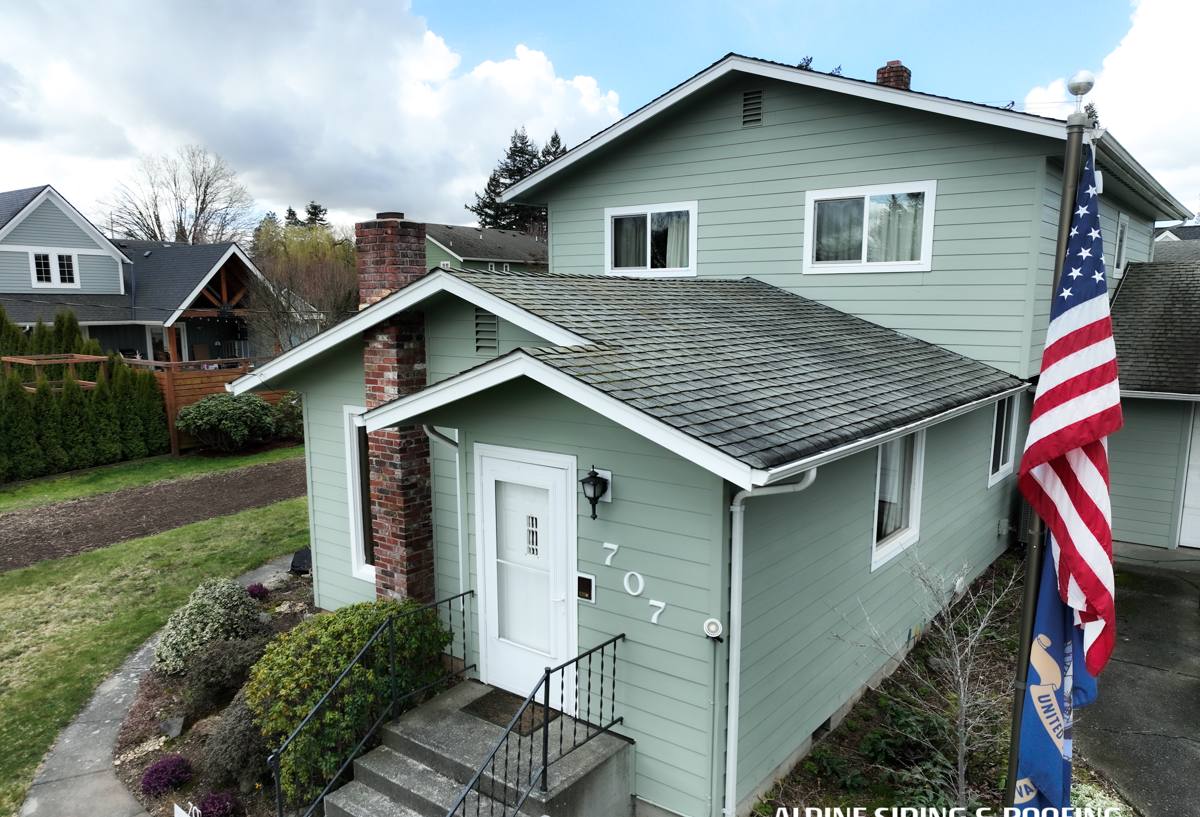
Why Storms Hit Sudden Valley Roofs Harder Than People Expect
Whatcom County weather isn't dramatic in the way a hurricane zone is, but it's relentless in a different way. Homes here deal with three compounding factors most of the year:
Wind-Driven Rain
Rain that falls straight down is fairly easy on a roof system. Rain that comes in sideways during a windstorm is not. It gets pushed up under shingle tabs, around flashing edges, and into any gap that's even slightly open. A roof that's held up fine for years can suddenly leak during one bad storm simply because the wind direction was different than usual.
A Long Moss Season
Between the tree cover around Sudden Valley and the number of overcast, damp days each year, moss has a long growing window here. Moss doesn't just look bad — it holds moisture against the roofing material, lifts shingle edges as it grows, and can work its way under flashing over time. A roof that's carrying a heavy moss load going into storm season is already weaker than it should be.
Salt Air and Moisture Exposure
Homes closer to the water deal with a steady low-grade exposure to salt-laden air on top of the rain. That combination accelerates corrosion on exposed metal — nail heads, flashing, gutter hardware — faster than it would in a drier inland climate. It's a slow process, but it's constant, and it's a factor we account for when choosing repair materials and fasteners.
None of these three things is dramatic on its own. Together, over a Whatcom County winter, they add up to real wear that shows itself as storm damage.
What Storm Damage Actually Looks Like on These Roofs
Homeowners often expect storm damage to mean missing shingles scattered across the lawn. Sometimes it does. More often, it's quieter than that:
- Shingle tabs lifted or creased from wind uplift, still in place but no longer sealed
- Granule loss concentrated on one slope — usually the side that took the wind head-on
- Flashing pulled slightly away from a chimney, skylight, or sidewall
- Gutters pulled loose or overflowing from debris, sending water behind fascia boards
- Soft spots or discoloration on decking visible only from the attic side
- Moss mats that shifted during wind and pulled shingle granules or edges with them
A roof can have several of these at once and still look "fine" from street level. That's why a proper storm inspection means getting on the roof and in the attic, not just looking up from the yard.
What a Correct Storm Damage Repair Involves
A repair that actually holds up through the next storm season covers more ground than just replacing what's obviously broken.
Full Roof Assessment, Not Just the Damaged Section
If wind lifted shingles in one area, it's worth checking the whole roof for the same stress pattern elsewhere — especially on the slope facing the prevailing wind. Storm damage rarely stays perfectly contained to one spot.
Decking Check Before Re-Covering
If water got past the shingle layer, the decking underneath needs to be checked for softness or rot before new material goes down. Covering over compromised decking is a common shortcut that leads to a callback within a year or two.
Flashing and Fastener Attention
Given the salt air and moisture exposure in this area, we pay close attention to flashing condition and fastener corrosion during any repair, not just at chimneys and skylights but at every roof penetration and valley.
Moss and Debris Removal Before Repair
Repairing around a moss mat instead of clearing it first just seals moisture in. Any storm repair should include clearing moss and debris from the work area so the new material seals properly.
Matching Materials Where Possible
For partial repairs, we make a real effort to match existing shingle color and profile so the repair doesn't stand out as a patch. Where an exact match isn't available due to product age, we'll tell you that honestly upfront rather than after the work is done.
Our Process, Start to Finish
- Contact and initial questions — we ask what you noticed, when the storm hit, and whether there's any active leaking so we can prioritize accordingly.
- On-site inspection — roof surface, attic, gutters, and flashing points, with photos so you can see exactly what we're seeing.
- Written scope and estimate — what needs to happen, why, and what it costs, broken down so it's clear what's storm-related versus pre-existing wear.
- Temporary protection if needed — for active leaks, we'll tarp or seal the vulnerable area before scheduling the full repair.
- Repair work — completed to match the surrounding roof as closely as material availability allows.
- Final walkthrough — we show you the completed work and explain what was done.
Repair vs. Replace: What Actually Drives the Decision
Not every storm-damaged roof needs a full replacement, but some do. The table below covers the factors that typically tip the decision one way or the other.
| Factor | Leans Toward Repair | Leans Toward Replacement |
|---|---|---|
| Age of existing roof | Under 10-12 years | Nearing or past expected service life |
| Extent of damage | Localized to one section or slope | Spread across multiple slopes |
| Decking condition | Solid, no rot found | Soft spots or rot present in multiple areas |
| Moss/wear history | Minor, recently maintained | Heavy moss load, granule loss across the roof |
| Material availability | Matching shingles still available | Discontinued product, poor match likely |
We'll walk you through where your roof falls on each of these before recommending either path — there's no reason to replace a roof that a proper repair will handle for years.
Why It Matters to Hire a Crew That Already Works This Area
Storm damage repair isn't just about ladder work and shingles. Knowing the local building stock, common roof ages in the neighborhood, and how wind typically moves across the Lake Whatcom basin changes how an inspection gets done. A crew that regularly works Yew Street and the rest of Sudden Valley has already seen how these homes age under this specific combination of moss, wind, and moisture — and that shows up in faster, more accurate diagnosis instead of guesswork.
It also means faster response after a storm. When multiple homes in the same area get hit by the same weather event, a contractor already working nearby can usually get to you sooner than one coming from across the county.
What to Do Right After a Storm
If you suspect storm damage, here's a practical checklist before a contractor even arrives:
- Check ceilings and attic for water stains, especially after wind-driven rain
- Look for shingle pieces or granules in gutters or on the ground
- Note when the storm hit and which direction the wind was coming from
- Avoid getting on the roof yourself — wet or moss-covered surfaces are dangerous
- Take photos of any visible damage from the ground for your records
- Contact your insurance company early if damage looks significant, even before repairs are scheduled
Acting within the first week or two after a storm matters. Small leaks left unaddressed through another rain event tend to turn into decking and insulation problems that cost more to fix than the original repair would have.
Documentation for Insurance Claims
If you're filing an insurance claim for storm damage, we provide detailed photo documentation and a written scope of work that separates storm-related damage from any pre-existing wear. Insurance adjusters generally want to see clear cause-and-effect between the storm event and the damage found, and having that documented properly from the start makes the claims process smoother.
If you've noticed anything off with your roof after a recent storm — or just want a professional set of eyes on it before the next one hits — we're happy to come take a look. Use the form below to request a free, no-pressure estimate.