 Sudden Valley Siding
 Window Replacement Built for Acme's Climate
Acme sits back in the valley east of Lake Whatcom, tucked against timber and hillside where fog sits longer, rain comes sideways more often than people expect, and moisture has all winter to find its way into a house. Homes here don't fail the same way homes in a dry climate do. Windows in this part of Whatcom County take a slow, steady beating from driving rain, damp air off the lake and nearby wooded slopes, and a moss and mildew season that can run from October into May. Add in the wider Sudden Valley pattern of salt-tinged marine air working inland on a west wind, and you've got a window opening that's under more moisture pressure than a typical suburban home.
That doesn't mean Acme needs exotic materials or a gold-plated window. It means the installation has to get the water management right, every time, because a small gap or a skipped step that would be a non-issue in a dry climate becomes a rot problem here in a few wet seasons.
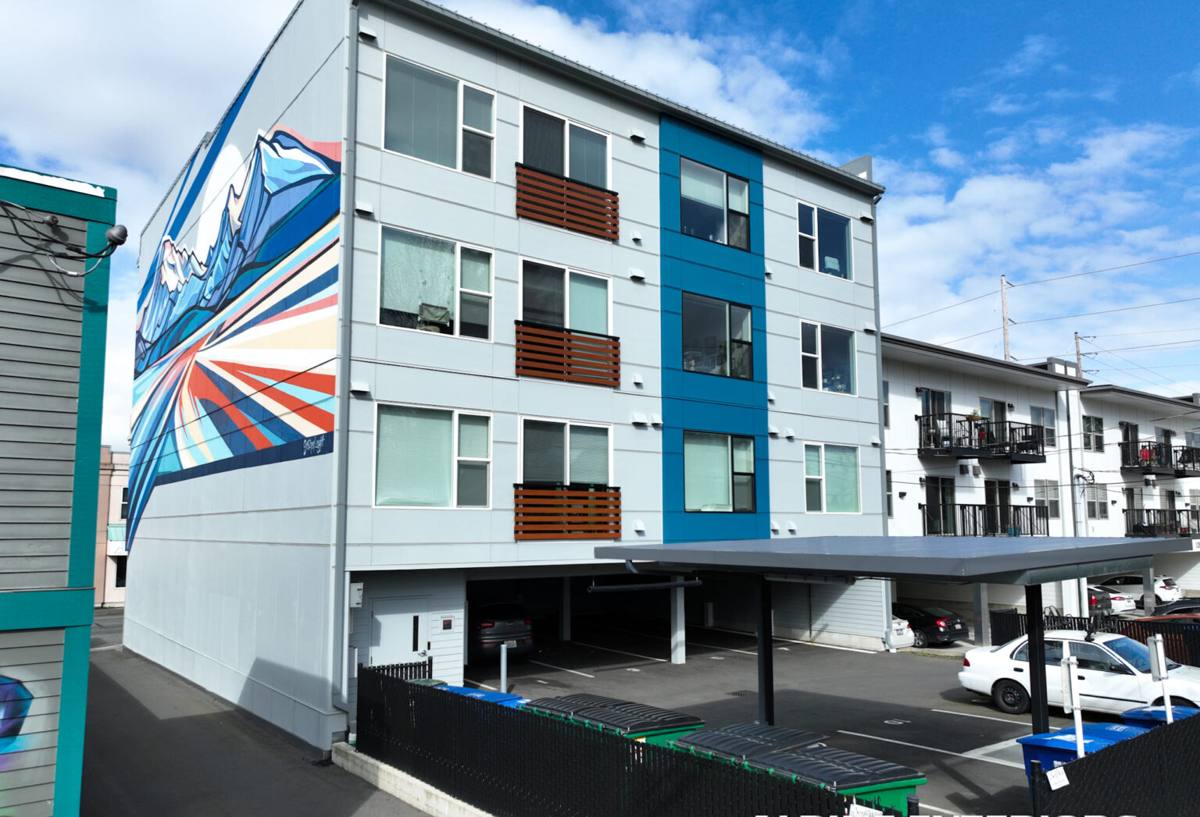
What Actually Goes Wrong With Windows in This Area
Before we talk about replacement, it's worth knowing what we typically find when we pull old windows out of homes in and around Acme and Sudden Valley:
- Failed or fogged glass units — the seal between panes breaks down after years of temperature swings and moisture cycling, letting condensation form between the glass.
- Soft framing at the sill — wood-framed windows especially, where years of driving rain have worked past old caulk and into the sill and rough opening below.
- Moss and algae staining around the frame and on nearby siding, a sign that water is sitting against the window longer than it should rather than shedding away.
- Warped or swollen vinyl on older, lower-grade windows that were never built for sustained damp exposure.
- Missing or degraded flashing — often the real root cause behind "the window is leaking," when the window itself is fine but the wall around it isn't sending water where it should go.
Most of these are installation and water-management issues as much as they are product issues. That's the part homeowners often don't see when they're comparing window brochures — the frame matters, but the flashing detail around it matters just as much.
What a Correct Installation Looks Like Here
Water Management Comes First
In a climate with this much sustained rain, the flashing sequence around a window opening isn't optional detailing — it's the difference between a window that lasts twenty-plus years and one that causes hidden rot behind the siding in five. A correct install means the weather-resistive barrier laps properly over the flange, sill pan flashing directs any incidental water back outside rather than into the framing, and the head flashing sheds water clear of the opening rather than trapping it.
Sealant Is a Backup, Not the Plan
We use quality sealant at the right joints, but we don't rely on caulk alone to keep water out — caulk is a maintenance item that will eventually need attention, while proper flashing and lapping keep working even after the sealant ages. Homes that lean on sealant as their primary defense are the ones we see with sill rot ten or fifteen years later.
Frame Material Choices That Make Sense Locally
For most Acme homes we recommend vinyl or fiberglass-framed windows with a solid moisture-resistant construction. Wood-framed windows can look great and perform well, but they demand more upkeep in a climate with this much sustained dampness — repainting and resealing on a schedule, not just when it looks like it needs it. We'll walk you through the honest maintenance trade-off for your specific home rather than push whatever's easiest to install.
Comparing Window Options for a Wet-Climate Home
| Factor | Vinyl | Fiberglass | Wood |
|---|---|---|---|
| Moisture tolerance | Very good — won't rot, minimal upkeep | Excellent — dimensionally stable in wet/dry cycling | Good if maintained; vulnerable if paint/seal lapses |
| Upfront cost | Lowest of the three | Mid to upper-mid | Highest, especially clad options |
| Long-term maintenance | Low — occasional cleaning | Low | Ongoing — repaint/reseal on a cycle |
| Typical lifespan here | 20-30 years with good install | 30+ years | Varies widely with maintenance |
| Best fit | Most Acme homes, budget-conscious replacements | Homes wanting max durability, larger openings | Homes prioritizing a specific traditional look, willing to maintain |
None of these is a "wrong" choice — it depends on your budget, how the house is oriented to weather, and how much upkeep you want to commit to. We'll give you a straight answer on what fits your specific house rather than steering you toward one line of product.
Our Process for an Acme Window Replacement
- On-site assessment. We look at every window opening being replaced — not just the glass, but the sill condition, existing flashing (or lack of it), and how water currently moves around that wall.
- Honest scope and quote. If we find rot or damage during the assessment, we tell you before work starts, not after we've already opened the wall.
- Careful removal. Old windows come out without tearing up more siding or trim than necessary, and we inspect the rough opening once it's exposed.
- Repair before replace. Any soft framing, rot, or missing barrier gets addressed — installing a new window into a compromised opening just locks the problem behind new trim.
- Proper flashing sequence. Sill pan, window, side flashing, then head flashing, integrated with the existing weather-resistive barrier in the correct lap order.
- Air sealing and insulation. The gap between window frame and rough opening gets sealed and insulated correctly — not stuffed with excess foam that can bow the frame.
- Interior and exterior finish. Trim, caulk, and paint or stain to match, with attention to keeping sightlines clean.
- Final walkthrough. We check operation, look, and seal on every window before we call the job done.
What We Check Before We Ever Quote a Job
- Condition of the existing sill and rough framing at each opening
- Signs of past water intrusion — staining, soft spots, moss growth near the frame
- How the wall assembly currently manages water (or doesn't)
- Window count, sizes, and whether openings need any structural adjustment
- Interior trim and drywall condition around each window
- Whether full-frame replacement or an insert approach is the right call for that specific opening
Full-Frame vs. Insert Replacement
Homeowners often ask whether they need a full-frame replacement or whether a simpler insert (pocket) replacement will do. An insert reuses the existing frame and is faster and less invasive — a reasonable option when the existing frame is sound and square. But in a climate like this, if there's any sign of moisture damage at the sill or jamb, an insert just seals a problem inside the wall. Full-frame replacement costs more and takes longer, but it's the only way to actually inspect and correct what's behind the old frame. We'll tell you which one your house needs and why, not just sell you the faster job.
Why Hiring a Crew That Already Works in Sudden Valley Matters
Window replacement isn't just a product installation — it's a decision about how your home handles water for the next two or three decades. A crew that regularly works homes in Sudden Valley and Acme has already seen how this specific stretch of Whatcom County treats a wall: how far driving rain pushes water up under trim, how long moss holds moisture against a frame before it's noticed, and which details actually hold up through a real Pacific Northwest winter versus which ones look fine in a showroom. That local pattern recognition is what keeps a straightforward window swap from turning into a callback for a leak two years later.
We also know the practical side of working in this area — the driving distance from the lake shore into the valley, seasonal access considerations, and scheduling around the wettest stretches of the year so installs happen in a reasonable weather window whenever possible.
Signs It's Time to Replace, Not Just Repair
- Fogged or cloudy glass that doesn't clear — the seal is gone and can't be restored
- Visible soft or spongy wood at the sill or jamb when pressed
- Windows that are difficult to open, close, or lock properly
- Persistent drafts even with weatherstripping in reasonable shape
- Moss, mildew, or dark staining that keeps returning around the frame no matter how often it's cleaned
- Noticeably higher heating costs with no other explanation
What Affects the Cost
Every home is different, so we won't quote a number without seeing the openings, but the main cost drivers on an Acme window replacement are: how many windows, window size and type (standard double-hung versus large picture or specialty shapes), whether we're doing insert or full-frame replacement, and whether we find hidden rot or flashing issues once the old window is out. We give straight, itemized quotes so you know what you're paying for and why — no surprise add-ons sprung on you mid-job.
If your Acme or Sudden Valley home has windows that are fogging, drafting, or showing water staining, we're happy to take a look and give you a straightforward, no-pressure estimate — just fill out the form below to get started.