 Sudden Valley Siding
 Why Sunnyland Windows Wear Differently Than Windows Inland
Sunnyland sits close enough to Lake Whatcom and the broader Sudden Valley area that homes here take on a specific mix of weather stress: damp, mineral-laden air off the water, wind-driven rain that comes in sideways more often than straight down, and a wet season that stretches long enough for moss and algae to get a foothold on anything shaded or north-facing. None of that is unique to one street or one house style, but it adds up differently than it does for a home twenty miles inland in drier Whatcom County terrain.
Windows are one of the first places that shows up. Aluminum frames pit and chalk. Wood sashes hold moisture in the joints longer than they can dry between storms. Old glazing putty shrinks and cracks, and once it does, water finds the gap. Vinyl frames that were never fully sealed at the corners start letting air whistle through by year eight or ten instead of year twenty. None of this is dramatic — it's slow, and that's exactly why it gets ignored until a homeowner is dealing with soft trim, fogged glass, or a heating bill that keeps creeping up.
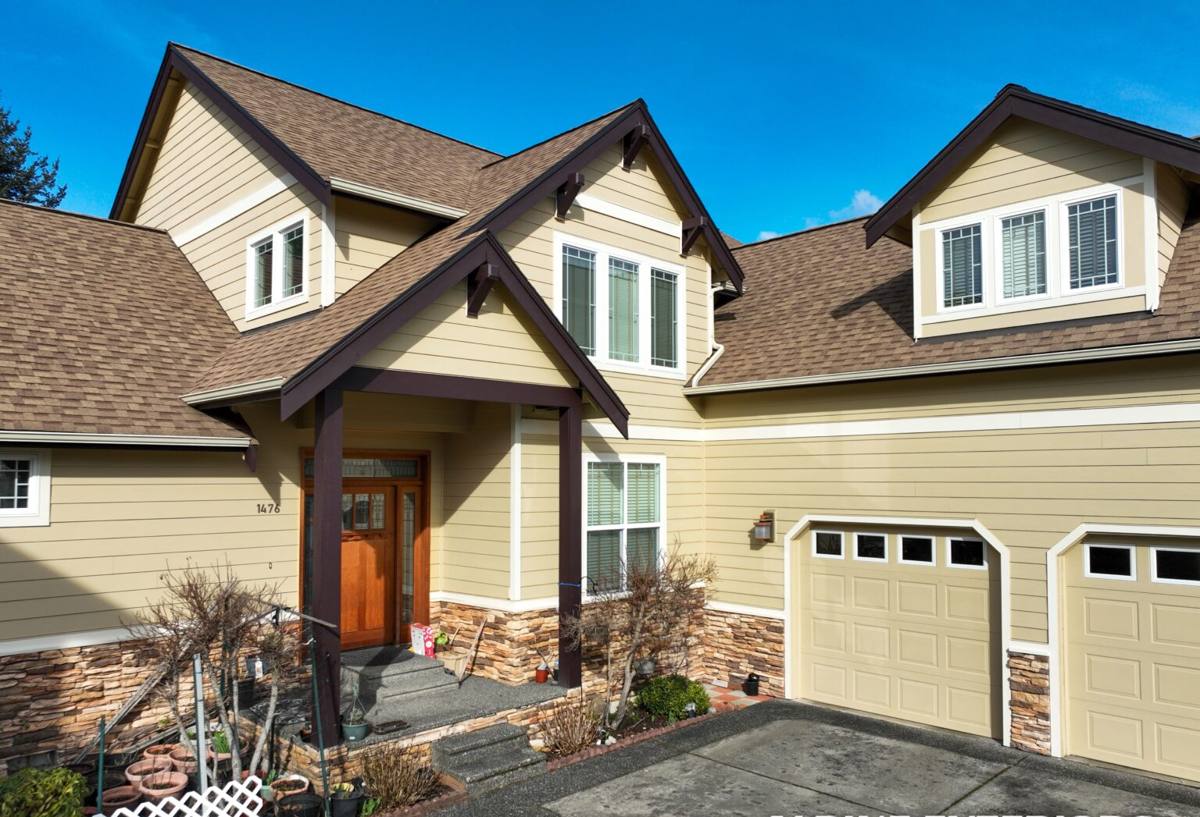
Signs It's Time to Replace, Not Just Repair
Not every window problem means full replacement. A stuck sash, a worn weatherstrip, or a broken balance can often be fixed for a fraction of the cost. But there's a point where repair stops making sense — and in a climate like this one, that point tends to arrive earlier than homeowners expect.
- Fogging or a visible haze between panes — the seal has failed and the insulated glass unit needs replacing, not just the window
- Soft or spongy wood at the sill or bottom corners — moisture has been sitting there longer than it should
- Windows that won't stay open on their own, or that need force to latch
- Visible daylight or a draft you can feel with your hand along the frame edge
- Paint that keeps failing in the same spot no matter how often it's touched up
- A noticeable difference in room temperature near the window compared to the rest of the house
If you're seeing two or more of these on the same window, replacement is usually the better long-term investment than another round of caulk and paint.
What a Correct Installation Actually Involves
It's Not Just Swapping Glass
A window replacement done right is mostly about what happens around the window, not the window itself. In a wet climate, the flashing and sealing details matter more than the brand of glass. We strip the opening back to the framing, check for hidden rot or moisture damage before anything new goes in, and correct it if we find it — patching over a soft sill just traps the problem behind new trim.
Flashing and Water Management
Every opening gets flashed so water sheds down and out, never sideways into the wall cavity. That means proper sill pan flashing, house-wrap integration at the sides and top, and sealant used only where it belongs — sealant is a backup layer, not the primary defense against water intrusion. This is the step that gets rushed on cheap installs, and it's the step that determines whether a window is still dry in fifteen years.
Fit and Insulation
A window that's the wrong size for its opening gets shimmed and packed with backer rod and low-expansion foam, not just caulked around the edges. Gaps left open, or over-filled with the wrong foam, both cause problems — one lets in air and moisture, the other can bow the frame and keep the sash from operating properly.
Choosing a Window Built for This Climate
Frame material matters more here than in a dry climate, because the frame is what's absorbing the daily cycle of rain, humidity, and occasional coastal air movement. Here's how the common options actually perform under those conditions, without the marketing spin:
| Frame Material | Moisture Behavior | Maintenance | Where It Fits |
|---|---|---|---|
| Vinyl | Won't rot; seams and welds are the weak point if installed poorly | Low — occasional cleaning | Most budget-to-mid homes; good value if installation is done right |
| Fiberglass | Very stable, minimal expansion/contraction, holds paint well | Low | Homes wanting wood-like look with less upkeep, worth the added cost |
| Wood-clad | Interior wood needs protection from condensation and humidity | Moderate to high | Homes prioritizing interior wood appearance, willing to maintain it |
| Aluminum | Conducts cold, prone to condensation and corrosion near moisture | Moderate | We generally steer clients away from it for this climate — thermal and corrosion trade-offs outweigh the lower upfront cost |
We don't push one brand as the only answer. What we push is correct glazing for a marine-influenced climate — that usually means dual-pane with low-E coating and argon fill as the baseline, with triple-pane as an option for rooms that run cold or face prevailing weather.
Our Process, Start to Finish
Assessment
We walk the exterior and interior of every window being considered, check for hidden moisture with the tools we carry, and give an honest read on what's repairable versus what needs replacing. No upselling a full house of windows when three of them are the actual problem.
Measuring and Ordering
We measure for the actual opening, not a catalog size, and account for any framing repair that needs to happen before the new window goes in. This is also when we talk through frame material, glass package, and grid or trim style so there's no guessing at install day.
Removal and Prep
Old windows come out carefully to avoid unnecessary damage to siding or interior trim. Any rot or compromised framing found underneath gets addressed before the new unit goes in — this is the step that separates a replacement that lasts from one that fails again in five years.
Installation and Sealing
New window goes in level, plumb, and square, shimmed and insulated properly, flashed to shed water correctly, and sealed with the right products in the right places.
Cleanup and Walkthrough
We clean up debris, walk through operation of each new window with the homeowner, and make sure everything opens, closes, and locks the way it should before we consider the job done.
What Drives the Cost
Every home is different, and we'd rather give you real numbers during an on-site look than a rough figure that doesn't hold up. But these are the factors that move the price up or down on most Sunnyland-area jobs:
| Factor | Effect on Cost |
|---|---|
| Window size and type (single-hung, casement, bay, etc.) | Larger and more complex operating types cost more per unit |
| Frame material | Vinyl is typically the most affordable; fiberglass and wood-clad run higher |
| Glass package (low-E, argon, triple-pane) | Better performance glass adds cost but lowers long-term energy loss |
| Condition of the existing opening | Hidden rot or framing repair adds labor before the new window can go in |
| Access and site conditions | Second-story or hard-to-reach windows take more time and equipment |
| Trim and finish work | Matching existing interior/exterior trim adds detail time |
Keeping Windows Healthy Between Now and Your Next Replacement
Whether you're replacing a couple of windows now or planning ahead for the rest, a little seasonal attention goes a long way in a climate that stays wet as long as this one does.
- Check and clear window tracks and weep holes so water doesn't pool and sit against the frame
- Rinse pollen, dust, and early moss growth off frames and sills before it has a chance to hold moisture against the surface
- Inspect exterior caulking each fall and touch up any cracked or missing sections before the wet season sets in
- Watch for condensation between panes — it's the clearest sign a seal has failed
- Trim back vegetation and clear gutters near windows so runoff and shade don't accelerate moss and mildew growth
- Test that every window still opens, closes, and locks smoothly each season — a sticking sash is often the first sign of frame movement or moisture swelling
Why Local Experience Matters for This Job
Window replacement is one of those jobs where the difference between "fine for a few years" and "fine for the life of the house" is almost entirely in the details — the flashing sequence, the sealant choice, catching hidden rot before it's covered back up. A crew that already works in and around Sudden Valley and the Sunnyland area has seen how homes here actually hold up to the lake-adjacent humidity, the moss season, and the driving rain that comes with Whatcom County winters. That's not a substitute for doing the work correctly, but it does mean fewer surprises and a more accurate read on what your specific home needs versus what a generic checklist says.
If you're weighing repair versus replacement, or just want an honest look at what your windows need, we're happy to come take a look. Use the form below to request a free, no-pressure estimate.