 Sudden Valley Siding
 Deck Repair in Sunnyland: What the Local Climate Does to a Deck
A deck in Sunnyland works harder than a deck almost anywhere inland. The combination of salt-laden air off the bay, long stretches of driving rain, and a moss season that can run from October well into spring means a deck's wood, fasteners, and finish are under near-constant pressure for most of the year. None of that damage happens overnight. It shows up gradually as soft boards, a green film on the walking surface, rust bleeding from screw heads, or a subtle spring in the decking that wasn't there a couple of years ago.
We repair decks specifically for this climate, not a generic weather pattern. That distinction matters because a repair method that holds up fine in a dry inland county can fail within a season or two here. This page covers what actually goes wrong with Sunnyland decks, what a correct repair looks like, and how we approach the job so it lasts.
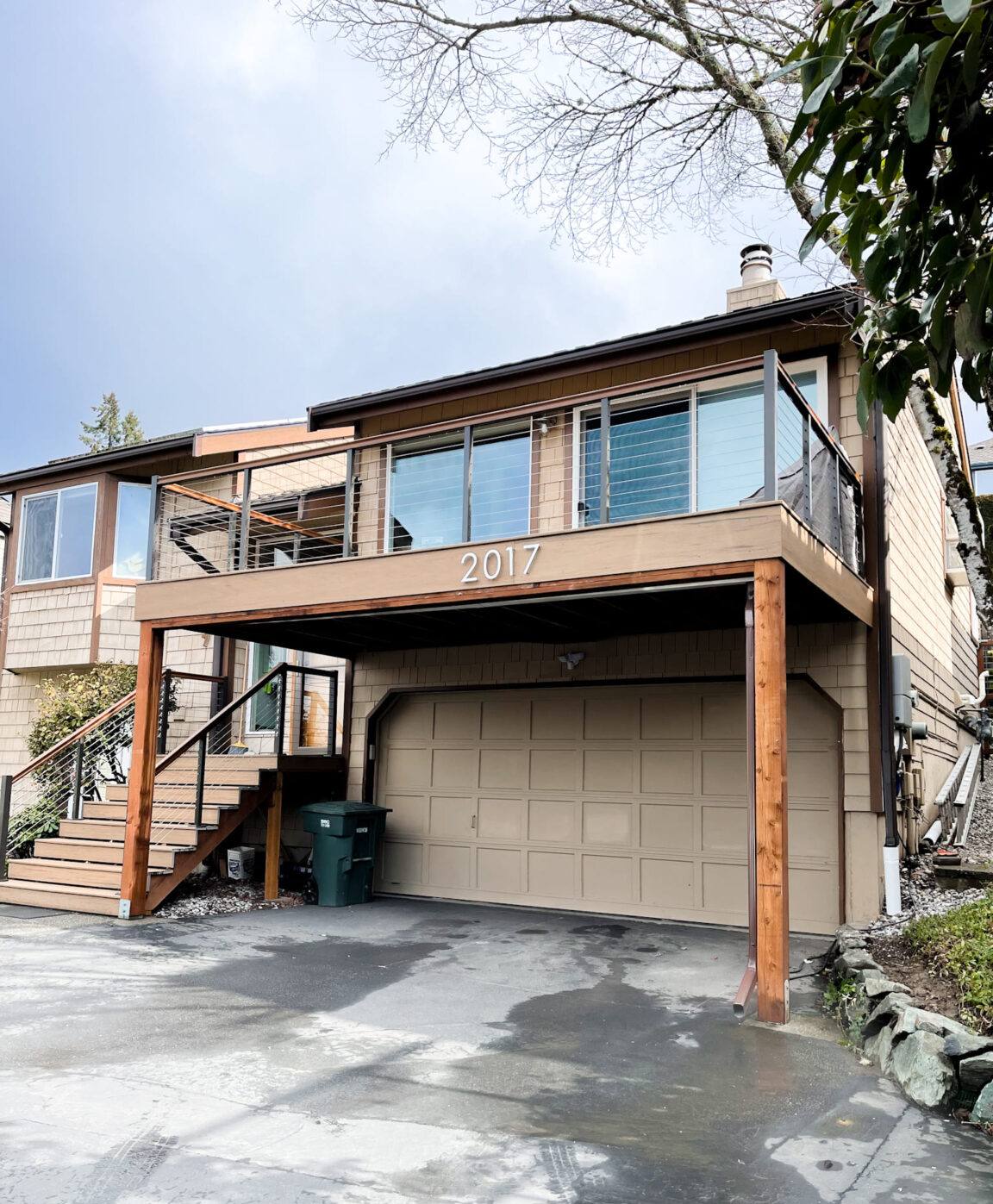
The Deck Problems We See Most Often in Sunnyland
Moss and Algae on Shaded, Damp Boards
Decks with any shade — from the house itself, fencing, or overhanging trees — stay damp long after a storm has passed. That moisture feeds moss and algae, which do more than look bad. A layer of growth holds water against the wood surface, keeps boards from drying between rains, and makes the deck slick and genuinely dangerous underfoot, especially on stairs.
Rot Where the Deck Meets the House
The single most common structural failure point on any deck, anywhere, is the ledger board — the framing member bolted to the house that carries a large share of the deck's weight. If the flashing behind it was installed poorly, or has failed over time, water gets trapped between the ledger and the house band joist and rots both from the inside out. In a climate with this much driving rain, a marginal ledger flashing detail doesn't stay marginal for long.
Corroded Fasteners and Hardware
Salt air accelerates corrosion on standard galvanized fasteners, joist hangers, and structural screws. We regularly find hardware that looks fine on the surface but has lost real holding strength underneath, or screw heads that have rusted and stripped out, making future repairs harder until they're replaced.
Loose Stairs, Rails, and Sagging Framing
Stair stringers and guardrail posts take constant flexing from foot traffic and lateral load, and they're often the last thing anyone inspects. Combined with moisture at the base of posts or stringer connections, this is where we find loose rails, wobbly stairs, and, in some cases, framing that's sagging enough to be a genuine safety issue rather than just a cosmetic one.
What a Correct Deck Repair Actually Involves
A repair that only addresses what's visible on the surface tends to come back. A correct repair starts with figuring out why the damage happened, not just patching where it shows.
- Structural inspection first. We check the ledger connection, joists, beam, posts, and footings before touching the decking boards themselves — surface repairs on a deck with a compromised frame are a waste of money.
- Flashing correction at the ledger. If water intrusion traces back to missing or failed flashing, we correct that detail as part of the repair, not as an afterthought, since it's the reason the damage happened in the first place.
- Selective replacement, not blanket demolition. Rotted joists, damaged hangers, and failed boards get replaced individually where the surrounding structure is sound, which keeps costs proportional to the actual damage.
- Hardware upgraded to match the exposure. Any hardware we open up gets replaced with fasteners and connectors rated for the corrosion risk in this area, even if the original hardware wasn't.
- Moss and growth removed properly. Surface cleaning that doesn't address drainage or airflow is a temporary fix; we look at why a section stays wet and treat that alongside the cleaning.
Repair or Replace? Weighing the Real Cost Factors
Not every deck problem calls for full replacement, and not every deck is worth repairing indefinitely. Here's how we help homeowners think through it honestly.
| Factor | Favors Repair | Favors Replacement |
|---|---|---|
| Ledger and framing condition | Sound, isolated soft spots only | Widespread rot at ledger, beam, or multiple joists |
| Age of the deck | Under 15–20 years, built to a reasonable original standard | Original construction is old, undersized, or already patched multiple times |
| Fastener and hardware condition | Corrosion is localized | Corrosion is systemic throughout the connectors |
| Decking surface | Boards are sound but weathered or mossy | Boards are cupping, splitting, or soft across most of the deck |
| Budget timeline | Spreading cost over targeted repairs now | One project instead of repeated repair calls over a few years |
Most Sunnyland decks we look at fall somewhere in the middle — sound framing with a rotted ledger section, or good bones with worn decking. That's exactly the situation where a targeted repair makes the most financial sense, and we'll tell you plainly if we think replacement is the better long-term value instead.
Our Deck Repair Process
- On-site assessment. We walk the entire deck — framing underneath, ledger connection, stairs, rails, and surface — and probe suspect areas rather than just looking at them.
- Written scope and honest options. You get a clear explanation of what's actually wrong, what repair options exist, and a straightforward price range before any work starts.
- Structural work first. Ledger, framing, and hardware repairs happen before any cosmetic work, since everything else depends on a sound structure underneath.
- Surface and safety items. Decking boards, stair treads, and railings get repaired or replaced, and everything is checked for proper fastening and stability.
- Cleanup and a final walkthrough. We clear debris and walk the deck with you so you know exactly what was done and what to watch for going forward.
Materials We Use and Why
Material choice on a deck repair should match how the deck is actually used and how much upkeep the homeowner wants to take on — there isn't one right answer for every job.
Pressure-treated framing lumber remains our standard for structural members like joists and ledgers because it's rot-resistant, widely available for matching existing framing, and cost-effective for repairs that need to blend into an existing structure.
Cedar decking holds up well in this climate when it's properly finished and maintained, but it does require periodic sealing or staining to keep moisture out — a real commitment in a region that gets this much rain. We're upfront with homeowners about that maintenance burden rather than downplaying it.
Composite decking is a good fit for homeowners who want to reduce the sealing and staining cycle, since it doesn't absorb moisture the way wood does and resists moss growth better on shaded sections. It comes at a higher material cost and needs to be installed with the manufacturer's specific fastening and spacing requirements to perform as designed — installation quality matters more with composite, not less.
Fasteners and connectors on every repair we do are matched to coastal-grade exposure — stainless steel or hot-dip galvanized hardware rather than standard galvanized, because the difference in corrosion resistance is significant in an area with this much salt air, even a few miles inland from the bay.
A Homeowner's Deck Maintenance Checklist
Between repairs, a little seasonal attention goes a long way toward keeping small problems from becoming structural ones.
- Sweep debris and standing water off the deck surface regularly through the wet months, especially in shaded corners
- Check for moss buildup each fall and address it before it has all winter to spread and hold moisture
- Look underneath the deck once a year for soft spots, staining, or gaps at the ledger flashing
- Test railings and stair treads by hand for looseness, not just visually
- Keep gutters and downspouts near the deck clear so runoff isn't dumping directly onto framing or footings
- Reseal or restain wood decking on the schedule the product actually requires, not just when it looks faded
- Have any soft, spongy, or bouncy spot in the decking or stairs checked promptly rather than waited out
Why Hiring a Crew That Already Works in Sunnyland Matters
Deck repair advice that's generic to the Pacific Northwest isn't always specific enough for this stretch of Whatcom County. A crew that regularly works decks in and around Sunnyland already knows which details tend to fail first in this exposure — the ledger flashing style, the fastener grade, the shaded corners where moss takes hold fastest — instead of treating every deck as a blank slate. That local pattern recognition shortens the diagnostic part of the job and helps target repair dollars at what's actually likely to fail next, not just what's failing now.
It also means a straight answer about timing. Certain repairs — sealing new wood, for instance — need a real dry window to cure properly, and knowing the local rain patterns around Sudden Valley and greater Whatcom County helps us schedule that work so it isn't compromised before it's even finished.
Get a Straight Answer About Your Deck
If your deck has soft spots, moss that keeps coming back, or hardware that's clearly seen better days, it's worth having someone look at the framing underneath before deciding what to do. We offer free, no-pressure estimates for deck repair in Sunnyland and the surrounding Sudden Valley area — use the form below to get started.