 Sudden Valley Siding
 Why Silver Beach Decks Wear Differently Than Decks Inland
A deck built the same way everywhere doesn't hold up the same way everywhere. Silver Beach sits in a stretch of Whatcom County where the air carries salt, the rain comes sideways more often than straight down, and the shoulder seasons stay damp for weeks at a stretch. That combination is hard on wood, hard on fasteners, and hard on anything with a seam or a joint that can trap moisture. A deck that would be fine in a drier inland climate can start showing problems here in a fraction of the time — cupped boards, rust streaks bleeding out of screw heads, soft spots at the ledger, moss creeping across the surface by late fall.
None of that means a deck can't last in this neighborhood. It means the build has to account for the environment from the framing up, not just at the surface. That's the difference between a deck that looks good for one summer and one that's still solid in fifteen years.
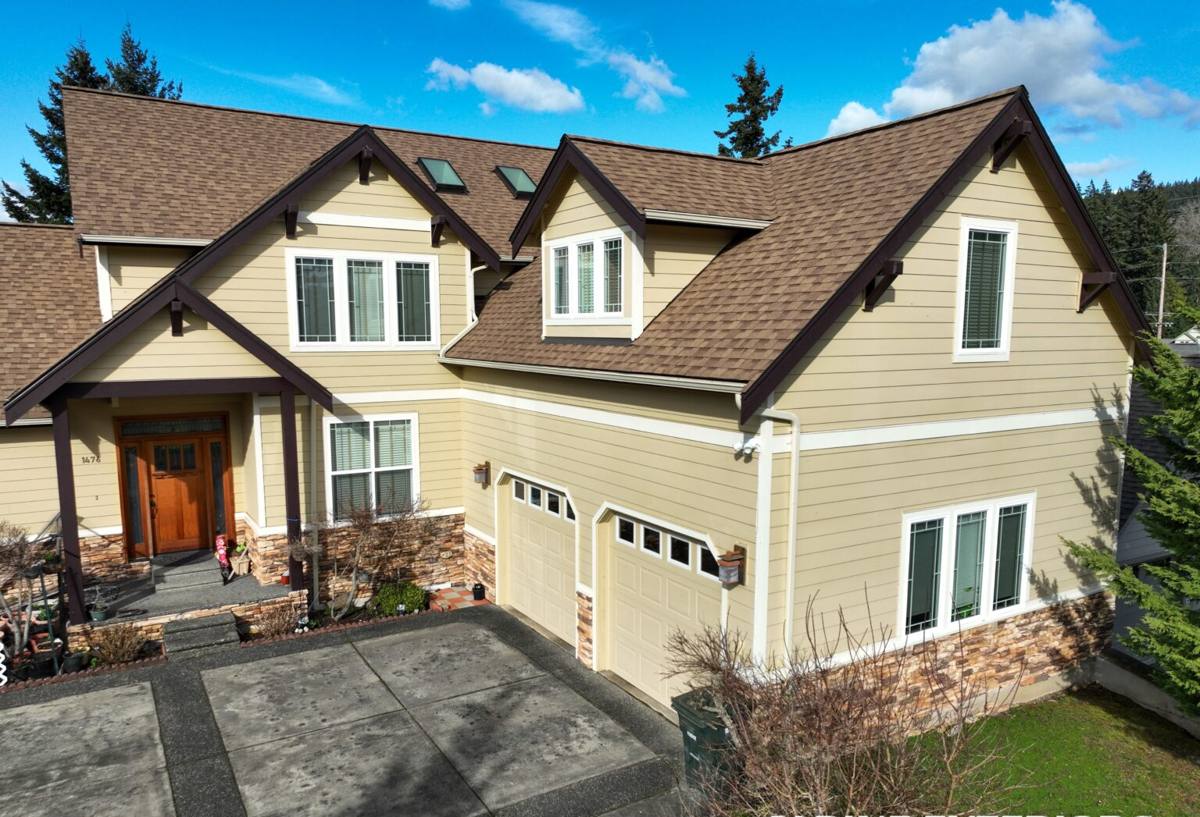
What Silver Beach's Climate Actually Does to a Deck
Salt Air
Airborne salt accelerates corrosion on anything metal — fasteners, joist hangers, railing hardware, even the coating on some flashing. Standard coated screws that would hold up fine forty miles inland can start bleeding rust within a couple of seasons this close to the water. Once a fastener starts corroding, it's not just cosmetic; it loses holding strength right where the structure needs it most.
Driving Rain
Wind-driven rain doesn't just fall on a deck's surface — it gets pushed sideways into ledger connections, under railing posts, and into any gap where flashing wasn't detailed correctly. A deck built for calm, straight-down rain often has weak points that only show up during a real Whatcom County storm.
A Long Moss Season
Shade, moisture, and mild temperatures are exactly what moss wants, and this area gives it months of the right conditions every year. Moss on a walking surface isn't just unsightly — it holds moisture against the decking material and turns slick fast, which is a real slip hazard on stairs and landings.
What a Correctly Built Deck Requires Here
Framing and material choices matter everywhere, but in this climate a few things stop being optional:
Ledger Attachment and Flashing
The ledger board — where the deck ties into the house — is the single most common failure point on any deck, and it's the connection most exposed to wind-driven rain if it isn't flashed correctly. Proper ledger flashing sheds water away from the house band board instead of trapping it behind the deck, which matters even more here given how much of the year the siding stays damp.
Fastener and Hardware Grade
Structural connectors, joist hangers, and fasteners need to be rated for the exposure they're actually going to see, not just "exterior rated" in general. In a salt-air environment, that usually means stainless steel or a high-corrosion-resistant coating at every structural connection — not just where it's visible.
Airflow Under the Deck
A low deck with poor ventilation underneath traps moisture against the framing year-round. Proper joist spacing, gapping between boards, and clearance off the ground all help the structure dry out between rain events instead of staying wet.
Decking Material Comparison for This Climate
There's no single "right" material for every homeowner — budget, maintenance tolerance, and look all factor in. Here's how the common options actually perform given Silver Beach's salt air, rain, and moss exposure:
| Material | Moisture Behavior | Moss Resistance | Maintenance | Typical Lifespan |
|---|---|---|---|---|
| Pressure-treated wood | Absorbs and releases moisture; prone to cupping if not sealed regularly | Low — porous surface holds moisture, moss takes hold quickly in shade | Annual cleaning and re-sealing/staining | 10–15 years with upkeep |
| Cedar | Naturally moisture-resistant but still needs sealing near the water | Moderate — better than treated pine but still needs cleaning | Sealing every 1–2 years | 15–20 years with upkeep |
| Composite (traditional, uncapped) | Moisture-resistant core, but exposed edges can absorb water over time | Moderate — surface can still stain and grow moss in shaded areas | Periodic washing, no sealing needed | 20–25 years |
| Capped composite / PVC | Fully sealed shell resists moisture intrusion at the surface | Higher — smoother, less porous surface sheds moss more easily with washing | Occasional washing | 25+ years |
For a home exposed to salt air and long wet seasons, capped composite or PVC decking generally holds up with the least maintenance headache, but real wood still has a place for homeowners who want that look and are willing to keep up with sealing. The honest trade-off is upfront cost versus long-term upkeep — we'll walk through both against your budget rather than push one product across the board.
Railings, Stairs, and Trim: Where Problems Show Up First
Flat decking gets most of the attention, but railings and stairs are usually where salt air and moisture damage show up earliest. Railing posts anchored with the wrong hardware, or without proper flashing at the base, can trap water right where the post meets the deck surface — a common spot for rot and rust to start. Stair stringers exposed to driving rain need the same fastener and flashing attention as the ledger. And any horizontal trim or fascia board is a moss magnet if it doesn't get airflow and periodic cleaning.
We build these connections the same way regardless of whether they're visible day to day, because they're the parts that fail first if they're cut corners.
Our Process for a Silver Beach Deck Build
- On-site walkthrough: We look at sun exposure, drainage, existing grade, and how close the build is to salt air and shade — all of which affect material recommendations.
- Design and material selection: We go over decking, railing, and hardware options honestly, including what each one actually costs to maintain over time in this climate.
- Permitting: We handle the paperwork with the local jurisdiction, including any additional requirements that can apply to properties near the lake or shoreline.
- Framing and structural work: Ledger flashing, joist hangers, and fasteners are all specified to the exposure level of the site, not a generic minimum.
- Decking, railing, and finish work: Installed to manufacturer spec, with attention to gapping and airflow that helps the deck shed moisture instead of holding it.
- Final walkthrough: We go over care and maintenance specific to the materials you chose before we consider the job done.
Living With a Deck in This Climate: A Maintenance Checklist
Even a well-built deck needs some seasonal attention here. This is what actually keeps a deck performing over the long run in Silver Beach's conditions:
- Sweep debris and standing organic matter off the surface regularly, especially in shaded corners where moss gets a foothold first
- Wash the deck surface at least once or twice a year to keep moss and mildew from establishing — more often on shaded sections
- Check railing post bases and stair stringers annually for early signs of rot or fastener corrosion
- Keep gutters and downspouts clear so runoff isn't dumping extra water onto or near the deck structure
- Reseal wood decking on the manufacturer's recommended schedule — don't wait until it's visibly gray and dry
- Trim back overhanging vegetation that keeps sections of the deck shaded and damp longer than the rest
- Address any soft spots, loose fasteners, or rust streaks right away rather than waiting for the next season
Why Local Experience on This Specific Terrain Matters
A deck built by a crew that hasn't worked in a salt-air, high-rainfall environment often looks identical to a correctly built one on installation day — the differences show up two, five, ten years later, in the fasteners you can't see and the flashing details that were skipped to save time. Working regularly in Whatcom County means knowing which hardware grade actually holds up here, which material trade-offs are worth explaining upfront, and which framing details matter more on a lakeside or shoreline-adjacent lot than they would somewhere drier and calmer.
That's the value of hiring a crew that already builds decks in this specific climate rather than one applying a generic approach to a job site that isn't generic at all.
Get a Straight Answer on Your Deck Project
Every property is a little different — sun exposure, grade, how close you are to the water, what's already on the house. If you're planning a new deck or replacing one that's showing its age, we're happy to come take a look and give you a straightforward estimate with no pressure attached. Fill out the form below and we'll get back to you to schedule a time.