 Sudden Valley Siding
 Board & Batten Siding, Done Right for Silver Beach
Silver Beach sits close enough to Lake Whatcom and the broader Sudden Valley area that its homes deal with a specific mix of weather: damp air off the water, wind-driven rain that hits walls sideways instead of falling straight down, and a moss season that can stretch for most of the year in the shaded, tree-heavy lots common to this part of Whatcom County. Board and batten siding — the vertical-plank-with-raised-seam look that's become a favorite for both classic Northwest homes and newer builds — can handle all of that beautifully, but only when it's built from the right material and installed by someone who understands what this specific stretch of coastline and lake shoreline throws at a house.
This page is about one thing: board and batten siding, installed correctly, for homes in Silver Beach. Not a general overview of siding styles, not a national how-to. What follows is what we've found actually matters here.
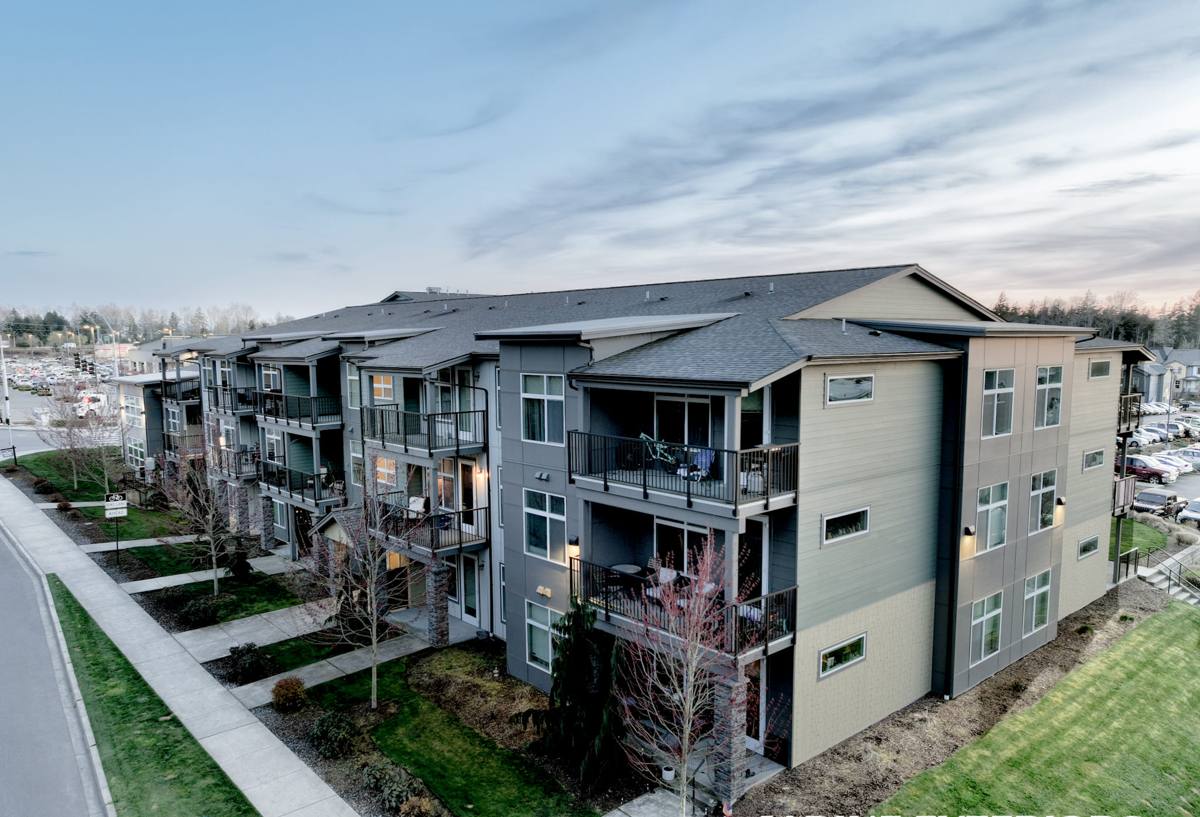
What This Climate Does to Board & Batten Siding
Board and batten's vertical battens create dozens of extra seams and edges compared to standard lap siding. Every one of those seams is a place where water, moisture, and organic growth can get a foothold if the product or the installation isn't right for the conditions.
Salt Air and Moisture
Homes near Lake Whatcom and the broader Sudden Valley shoreline live in a persistently damp microclimate. Moisture-laden air works its way into any gap, seam, or unsealed cut edge over time. Materials that swell, delaminate, or absorb water at the edges will show it first at the battens — the narrow strips are the first thing to warp or separate.
Driving Rain
Whatcom County storms don't always fall straight down. Wind off the lake and the surrounding hills pushes rain sideways into wall assemblies, which means the water-resistive barrier behind the siding, the flashing details, and the fastening pattern all matter as much as the siding material itself.
Long Moss Season
Shaded lots, tree cover, and near-constant humidity give moss, algae, and mildew a long runway to establish on any surface that holds moisture. Board and batten's vertical grooves and batten shadow lines are exactly the kind of surface texture that can trap organic growth if the siding isn't dense, factory-sealed, and finished in a way that resists it.
Why We Only Install Board & Batten in James Hardie Fiber Cement
We get asked regularly about board and batten in vinyl, LP SmartSide, cedar, primed spruce, or other fiber cement brands like Cemplank or Allura. We don't install any of them, and we think Silver Beach homeowners deserve the honest reasoning rather than a sales pitch.
Cedar and Primed Spruce
Real wood board and batten looks great on day one. The problem in this climate is upkeep: wood battens absorb moisture at cut edges and fastener holes, and in a damp, shaded environment like this one, that moisture invites rot and paint failure faster than most homeowners expect. Keeping wood board and batten looking right here means a repainting and caulking cycle that never really stops.
Vinyl
Vinyl board and batten is affordable and low-maintenance in the sense that it doesn't need painting, but it's a thin plastic product that expands and contracts with temperature swings, can crack in impact or extreme cold, and simply can't be finished with the depth and texture of an authentic board and batten profile. It also isn't the product we'd want carrying the fire-resistance profile of a home near tree cover.
LP SmartSide and Other Fiber Cement Brands
LP SmartSide is an engineered wood product — better than raw wood in some ways, but it's still wood-based, which means it's more sensitive to sustained moisture exposure than fiber cement. Other fiber cement brands like Cemplank and Allura are legitimate products in general terms, but we've standardized on James Hardie specifically because of its ColorPlus factory finish (baked-on, not field-painted), its HZ5 product engineering for the Pacific Northwest's wet climate, and the strength of its transferable warranty. Running one product line means our crews know its exact behavior — expansion rates, fastening specs, joint treatment — cold, instead of relearning quirks across several brands.
Why Hardie Fiber Cement Fits This Job
James Hardie board and batten panels and trim are made from cement, sand, and cellulose fiber — a material that doesn't rot, doesn't feed moss and mildew the way wood does, and holds its factory finish for years without the fading or chalking that field-applied paint shows first. It's non-combustible, which matters for homes near wooded lots. And because it's engineered specifically for climates like this one, it holds its dimensions in the damp-to-dry cycles that Whatcom County puts a wall through year-round.
Board & Batten Material Comparison
| Material | Moisture Behavior | Moss/Mildew Resistance | Maintenance | Finish Longevity |
|---|---|---|---|---|
| James Hardie Fiber Cement | Dimensionally stable, engineered for wet climates | Dense, non-organic surface resists growth | Occasional wash | Factory ColorPlus finish, long-rated |
| Cedar / Primed Spruce | Absorbs moisture at edges and fasteners | Organic material, more prone to growth | Regular repaint/reseal cycle | Field-applied paint fades and fails faster |
| Vinyl | Doesn't rot, but flexes and can crack | Resists growth but can trap moisture behind panels | Low, but limited repair options | Color can fade; can't be repainted easily |
| LP SmartSide | Engineered wood, still moisture-sensitive at cuts | Better than raw wood, still organic | Moderate | Factory finish, shorter track record than fiber cement |
What a Correct Board & Batten Installation Involves
Board and batten looks simple from the curb, but the installation has more steps than standard lap siding because of the extra seams and the vertical drainage path water needs to follow.
Behind the Siding
- A code-compliant water-resistive barrier over the sheathing, lapped correctly so water sheds downward and outward
- A rainscreen gap (furring strips) in most applications, so any moisture that does get behind the siding can drain and dry instead of sitting against the wall
- Properly flashed windows, doors, and any wall penetrations before the first panel goes up
The Siding Itself
- Hardie panel or plank set to the correct reveal and fastened per manufacturer spec — not "close enough"
- Battens installed over panel seams with the correct spacing and fastening pattern so they don't trap water against the seam
- All factory-cut and field-cut edges sealed per James Hardie's specifications, since an unsealed cut edge is the one place fiber cement can take on moisture
- Caulking and joint treatment done with products rated for this climate, not just whatever's on the truck
Skipping any one of these steps doesn't usually show up as a problem in year one. It shows up in year five or six, as staining, seam separation, or moss establishing along the battens — by which point it's a repair job instead of a five-minute fix.
Our Process for a Silver Beach Board & Batten Project
- On-site assessment — we look at your home's exposure (how much wind, rain, and shade it actually gets), the condition of the wall assembly underneath the existing siding, and any trouble spots like window returns or roof-wall intersections.
- Tear-off and wall inspection — removing the old siding lets us check the sheathing and framing for hidden moisture damage before anything new goes up. This step matters more here than in drier climates.
- Weather barrier and drainage plane — water-resistive barrier, flashing, and rainscreen furring installed to spec.
- Hardie panel and batten installation — set to proper reveal, fastened per manufacturer requirements, all cut edges sealed.
- Finish work — trim, caulking, and a final walkthrough so you know exactly what was done and why.
Living With Board & Batten in This Climate
One advantage of a correctly installed Hardie board and batten job is how little it asks of you afterward. The factory finish means you're not on a repainting schedule. That said, a couple of habits go a long way in Whatcom County's moss season:
- An occasional gentle wash (garden hose or low-pressure rinse) on shaded, north-facing walls where moss tends to establish first
- Keeping nearby vegetation trimmed back so walls get some airflow and sun exposure
- A quick visual check after major storms for any caulking or trim that needs attention
None of this is heavy maintenance — it's the kind of upkeep that keeps a good installation looking good for decades instead of masking a weak one.
Cost Factors for Board & Batten in Silver Beach
| Factor | Why It Affects the Job |
|---|---|
| Home size and wall complexity | More corners, gables, and dormers mean more cuts, more sealed edges, and more labor |
| Existing siding removal | Tear-off and disposal of old material, plus any sheathing repair found underneath |
| Wall condition | Rot or moisture damage found during tear-off needs to be addressed before new siding goes on |
| Trim and detail level | Window and door trim, corner treatments, and batten spacing choices affect material and labor |
| Access and site conditions | Sloped lots, tree cover, and proximity to the water can affect staging and scheduling |
We don't publish blanket pricing because every one of these factors changes the number — but we'll walk your home with you and give you a clear, itemized estimate before any work starts.
Why It Matters to Hire a Crew That Already Works in This Area
Board and batten installed to a generic national spec can still fail in a microclimate like Silver Beach's if the crew doesn't account for the local exposure — how much shade a wall gets, how driving rain off the lake hits certain elevations harder than others, or how long moss has to establish before a homeowner notices. A crew that already works Sudden Valley and the surrounding Whatcom County communities has seen how these homes age in this specific environment, which shows up in the details: where extra flashing attention pays off, which elevations need the most careful sealing, and what a five-year-old installation should and shouldn't look like around here.
If you're weighing board and batten for a Silver Beach home, we're happy to walk the property with you, look at what your walls are currently dealing with, and put together a straightforward, no-pressure estimate. There's a form below — reach out and we'll get you scheduled.