 Sudden Valley Siding
 Why Silver Beach Siding Wears Out Faster Than the Manufacturer's Chart Says
Every siding product comes with a lifespan number on the box. Those numbers assume a moderate, dry climate with even sun exposure and minimal wind-driven moisture. Silver Beach doesn't get that climate. Homes here sit under a mix of marine air, driving rain off the water, and dense tree canopy that keeps north- and east-facing walls shaded and damp for weeks at a stretch. Add a moss season that can run from early fall through late spring, and you've got a set of conditions that ages siding on a very different schedule than the label promises.
We've replaced siding on enough homes in this pocket of Whatcom County to see the pattern clearly: the failures aren't random. They cluster on the shaded, wind-exposed, and low-clearance walls where moisture has the most time and the least sun to dry it out. A siding replacement that doesn't account for that is just delaying the same problem, not solving it.
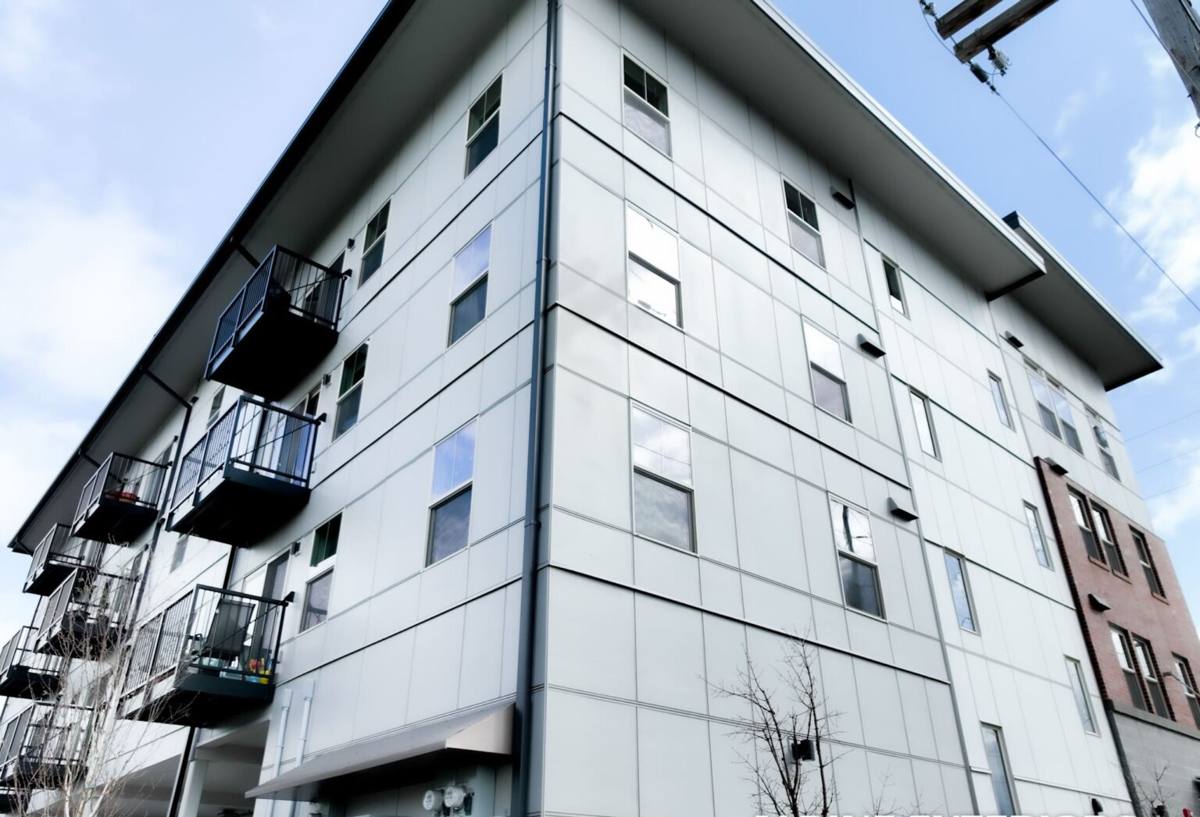
What Silver Beach's Climate Actually Does to Siding
Salt Air and Driving Rain
Moisture-laden air moving through the area carries fine salt content that settles on exterior surfaces and accelerates corrosion of fasteners, flashing, and any exposed metal trim. Combine that with wind-driven rain — rain that hits siding sideways instead of falling straight down — and water gets pushed up under laps, around trim edges, and into any gap that wasn't sealed or flashed correctly the first time.
A Long Moss Season
Shaded walls, overhanging trees, and persistent dampness are exactly what moss and algae need to take hold. Once organic growth establishes itself on a wall, it holds moisture against the surface around the clock instead of letting it dry between rain events. On wood-based or wood-look products, that constant dampness is what starts rot at the seams and butt joints. On any siding, moss buildup also traps grime and shortens how long a paint or factory finish looks clean.
Temperature Swings and Expansion
Whatcom County's mix of damp winters and warmer, drier summer stretches puts real expansion-and-contraction stress on siding materials over the years. Products that aren't dimensionally stable move more than they should, which works caulking loose, opens hairline gaps at joints, and gives water new paths in over time.
Signs a Silver Beach Home Needs Siding Replacement, Not Just Repair
Not every issue means a full tear-off. But when you see more than one of these at once, patching individual boards usually just buys a year or two before the same failures show up nearby.
- Soft or spongy spots when you press on the siding, especially near the bottom courses or under windows
- Persistent moss or algae staining that comes back within a few months of cleaning
- Visible warping, cupping, or separation at panel or plank seams
- Paint that's peeling or bubbling rather than just fading evenly
- Rot or discoloration around window and door trim
- A musty smell or visible staining on interior walls that back up to exterior siding
- Siding that's original to a home built more than 20–25 years ago, especially if it's never been replaced
What a Correct Siding Replacement Job Actually Involves
The siding itself is only part of the system. Most of the failures we see on Silver Beach homes trace back to what's underneath the siding, not the siding material itself. A replacement done right addresses the whole wall assembly, not just the visible surface.
Full Tear-Off and Inspection
We remove the old siding down to the sheathing so we can actually see what's there — soft sheathing, rusted fasteners, and hidden rot don't show up until the old material is off the wall. Covering over existing damage with new siding is how homeowners end up paying for the same repair twice.
Water-Resistive Barrier and Flashing
Given how much wind-driven rain this area sees, the house wrap and flashing details matter as much as the siding itself. Every window, door, and penetration needs flashing that directs water back out, not into the wall cavity. This is the step that's easiest to shortcut and the most expensive to fix later once it's buried behind finished siding.
Proper Clearance and Drainage
Siding installed too close to grade, decks, or roof lines traps moisture against the material with nowhere to go. Correct clearances and a drainage gap behind the siding let walls dry out between rain events instead of staying damp — which matters even more on shaded lots where drying time is already limited.
Fastening to Spec
Manufacturer fastening patterns exist for a reason — wrong nail placement, spacing, or gun pressure is one of the most common causes of early siding failure, and it's invisible once the job is finished. It's also one of the main reasons warranty claims get denied.
Why We Install Only James Hardie Fiber Cement
We don't install vinyl, LP SmartSide, Cemplank, Allura, or primed wood siding. That's a deliberate standard, not a lack of options. In a climate like this one, the trade-offs on those products show up faster and cost homeowners more over time than the upfront price difference suggests.
Vinyl expands and contracts more than fiber cement, can warp under sustained heat or impact, and doesn't hold paint if a homeowner ever wants to change the color. Wood-based products, including primed spruce, cedar, and OSB-core options like LP SmartSide, depend on an unbroken protective coating to keep moisture out of the wood fiber core — and moss, driving rain, and shaded exposure are exactly the conditions that stress that coating fastest. Once moisture reaches the wood fiber, swelling and rot follow, often at seams and joints where it's hardest to catch early.
James Hardie fiber cement is engineered from cement, sand, and cellulose fiber — it doesn't have a wood core to rot, and it's non-combustible. Hardie's HZ5 formulation is specifically engineered for climates with higher moisture exposure, which describes Silver Beach well. The ColorPlus factory finish is baked on under controlled conditions rather than field-applied, which means better fade and moisture resistance than site-applied paint, and it comes with its own finish warranty on top of the product warranty. It's also transferable to a new owner if the home sells — which matters for resale in a market where buyers increasingly ask what siding is on the house.
How the Options Compare
| Material | Moisture & Moss Resistance | Maintenance | Typical Lifespan |
|---|---|---|---|
| James Hardie Fiber Cement | No wood core to rot; factory finish resists moss staining | Occasional wash; no repainting needed for years | 30+ years with correct install |
| Vinyl | Doesn't rot, but can warp and trap moisture behind panels | Low, but color can't be changed | 15–25 years, variable |
| LP SmartSide / Wood-Based | Vulnerable at seams and cut edges if coating fails | Regular inspection and recaulking needed | 15–30 years, coating-dependent |
| Cedar / Primed Spruce | Absorbs moisture readily; high moss/rot risk in shade | Repainting or restaining every few years | Highly variable, often under 20 years here |
Our Siding Replacement Process
- On-site assessment — we walk the exterior, check the worst-exposed walls first, and look at what's driving the damage before quoting anything
- Written estimate — a clear scope covering tear-off, sheathing repair allowance, weather barrier, flashing, and the specific Hardie products and colors
- Tear-off and sheathing inspection — old siding comes off, and any soft or damaged sheathing gets addressed before anything new goes up
- Weather barrier and flashing installation — the part of the job that determines whether the new siding lasts
- Hardie installation to manufacturer spec — correct fastening, clearances, and joint treatment throughout
- Final walkthrough — we review the finished work with you before calling the job complete
What Drives the Cost of a Silver Beach Siding Replacement
| Factor | How It Affects Your Estimate |
|---|---|
| Extent of hidden sheathing damage | Rot found during tear-off adds repair scope that can't be priced until the old siding is off |
| Home size and wall complexity | More corners, dormers, and trim details mean more labor and cut waste |
| Access and site conditions | Steep grades, tight lot lines, or limited equipment access common on lake-adjacent lots can add time |
| Hardie product line selected | Lap siding, panel systems, and shingle-style profiles carry different material costs |
| Trim and detail work | Window and door trim, fascia, and soffit work are often bundled with a siding job |
We give firm written estimates only after seeing the home in person — anything quoted sight unseen in this climate is a guess, given how much variation there is between a fully shaded, moss-prone wall and a sun-exposed one on the same house.
Why Local Experience in Silver Beach Matters
A crew that mostly works drier inland areas can install siding correctly on paper and still miss the details that matter here — the extra flashing attention a shaded, wind-exposed wall needs, or the clearance adjustments that keep moss from taking hold again within a year. We work this part of Whatcom County regularly, which means we already know which wall orientations fail first, how the local moisture pattern behaves through the seasons, and what a Silver Beach home actually needs from its siding versus what a generic install would give it. That local pattern recognition is worth more than any product spec sheet.
If your siding is showing moss buildup that keeps coming back, soft spots near the base of the walls, or it's simply original to a home that's due, we're happy to take a look and give you a straight, no-pressure estimate — use the form below to get started.