 Sudden Valley Siding
 Siding Installation in Fairhaven: A Coastal Job, Not a Generic One
Fairhaven sits close enough to the water that its siding problems aren't the same as a house fifteen minutes inland. Homes here deal with salt-laden air off the bay, wind-driven rain that hits walls sideways instead of falling straight down, and a wet season that runs long enough for moss and algae to get a real foothold on north- and west-facing walls. Any siding installer can hang boards. Getting a Fairhaven installation right means understanding what this specific stretch of Whatcom County throws at a wall assembly year after year, and building the job to handle it from the housewrap out.
This page covers what siding installation actually involves for a home in this area — the material, the prep work that matters more here than elsewhere, our process, and what to look for in a crew before you hire one.
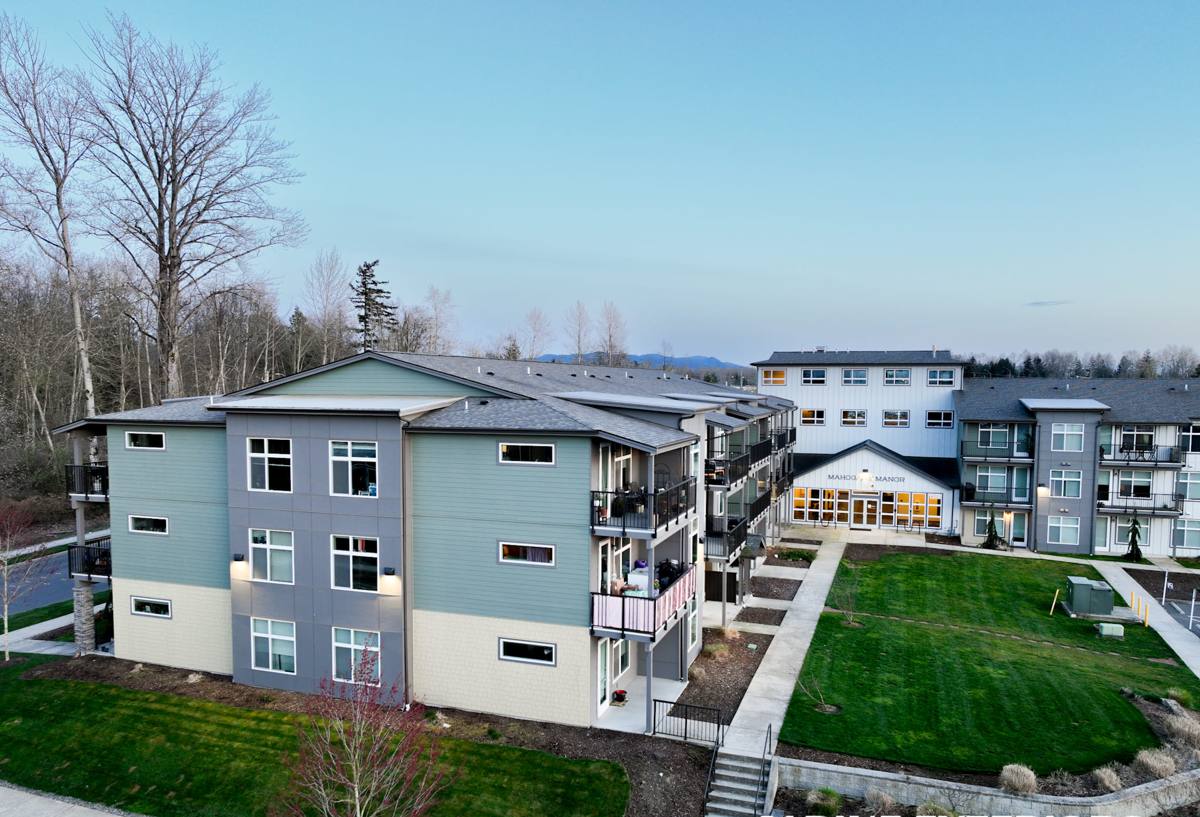
What Salt Air, Driving Rain, and Moss Season Do to a Wall
Three conditions define the maintenance load on Fairhaven exteriors, and each one attacks siding a different way.
Salt Air
Airborne salt is corrosive to exposed metal — fasteners, flashing, trim caps — and it accelerates the breakdown of coatings that aren't formulated to resist it. A finish that holds up fine forty miles inland can chalk, fade, or lose adhesion faster within a mile or two of the water. This is a coating and hardware problem as much as a siding problem, and it shows up first in the details most homeowners never think to ask about.
Driving Rain
Wind off the water doesn't let rain run straight down a wall — it pushes it sideways and up under laps, trim, and penetrations. That means water management (the housewrap, flashing, and drainage plane behind the siding) has to be done correctly, not just adequately. A siding product that shrugs off moisture but is installed over sloppy flashing will still leak. The installation is often the bigger variable than the material.
Moss and Algae Season
Whatcom County's wet stretch runs long, and shaded or north-facing walls in Fairhaven stay damp for extended periods. Porous or absorbent siding materials give moss and algae something to hold onto and feed moisture into the substrate behind them. Siding that doesn't absorb water and that resists organic growth on its surface holds its appearance — and its integrity — much longer under these conditions.
What a Correct Installation Actually Involves
Siding installation is a system, not a single product. Getting it right in this climate means every layer does its job:
- Substrate inspection: checking sheathing for existing rot or moisture damage before anything new goes up — covering a problem doesn't fix it
- Weather-resistive barrier: a properly lapped, sealed housewrap that sheds bulk water down and out
- Flashing at every penetration: windows, doors, vents, and any place trim meets a wall, detailed to direct water outward, not behind the siding
- Rainscreen or drainage gap where called for: giving any water that does get behind the cladding a path to drain and dry, rather than sitting against the sheathing
- Correct fastening: the right fastener type, spacing, and depth for the specific siding product, sized for wind exposure this close to the water
- Factory-finished cladding: a coating baked on under controlled conditions holds up to salt air and UV far better than field-applied paint
Skip any one of these and the whole system is only as strong as the weakest layer — usually the one nobody sees again once the siding is up.
Why We Only Install James Hardie Fiber Cement
We install James Hardie fiber cement siding exclusively. We don't install vinyl, LP SmartSide, Cemplank, Allura, primed spruce, or cedar, and that's a deliberate standard, not a lack of options.
Fiber cement doesn't absorb water the way wood-based products can, which matters directly in a moss-prone, high-moisture climate — it doesn't feed organic growth or swell and delaminate at cut edges the way engineered wood siding can if a seal fails. It's non-combustible, which matters for wildfire-adjacent insurance considerations increasingly common in the Pacific Northwest. And Hardie's ColorPlus factory finish is baked on and warranted against fading and peeling — a meaningful advantage in a location where field-applied and lower-grade factory coatings tend to chalk and dull faster from UV and salt exposure.
Hardie also builds climate-specific HZ (HardieZone) product lines engineered for regional moisture and temperature patterns, backed by a strong transferable warranty. Vinyl is cheaper and low-maintenance in mild climates but can warp or crack in temperature swings and doesn't hold paint if you ever want to change color. Cedar and primed spruce look great initially but demand an ongoing repaint and caulk schedule that most homeowners underestimate — and in a long wet season, that maintenance gap is exactly when rot gets started. We'd rather install one product correctly and stand behind it than offer five options and hope the cheapest one holds up.
Our Installation Process for Fairhaven Homes
- On-site assessment: we inspect existing siding, sheathing, and trim, and check for any moisture damage that needs to be addressed before new siding goes on
- Scope and product selection: we walk through Hardie board profiles, textures, and colors, and confirm the HZ product matched to this climate zone
- Tear-off and substrate repair: old siding comes off, damaged sheathing gets replaced, not covered
- Weather barrier and flashing installation: housewrap, window and door flashing, and drainage detailing done before a single piece of siding goes up
- Hardie board installation: installed to manufacturer fastening specs, with attention to caulking and trim details that matter most on a wind- and rain-exposed wall
- Final inspection and walkthrough: we check laps, seams, and trim, and walk the finished job with the homeowner
Cost Factors for a Fairhaven Siding Job
| Factor | Why It Matters Here | Effect on Scope |
|---|---|---|
| Substrate condition | Long wet seasons and past moisture intrusion can leave hidden sheathing rot | May add repair work discovered mid-tear-off |
| Wall exposure | Sides facing prevailing wind and rain need more careful flashing and fastening | Can shift labor time between elevations |
| Home size and complexity | More corners, windows, and trim details mean more flashing and cutting | Directly affects labor hours |
| Siding profile chosen | Lap, shingle, and panel styles install at different rates | Affects both material and labor cost |
| Access and staging | Lot slope, landscaping, and proximity to neighboring structures affect crew setup | Can add time for scaffolding or hand-carrying material |
We give a firm, itemized quote after the on-site assessment — not a ballpark based on square footage alone, since the condition of what's underneath the old siding is often the biggest variable.
Signs Your Fairhaven Home May Need New Siding
- Persistent moss, algae, or green staining that returns shortly after cleaning, especially on north- or west-facing walls
- Soft or spongy spots when you press on the siding, particularly near the bottom courses or around windows
- Paint or coating that's chalking, peeling, or fading unevenly, especially on walls exposed to wind off the water
- Visible warping, cracking, or gaps at seams and corners
- Rust streaking from fasteners or trim, a sign salt air is working on exposed metal
- Rising interior heating costs or drafts that suggest the wall assembly isn't sealing the way it should
None of these on their own mean a full replacement is required — but they're worth a professional look before small problems turn into sheathing repairs.
Why a Crew That Already Works Fairhaven Matters
Installation quality depends on judgment calls that don't show up in a spec sheet: how tight to run a flashing lap on a wall that takes rain sideways, where to add extra fastening on a wind-exposed corner, which details need more sealant given how long this area stays damp. A crew that's worked other homes in this same stretch of Whatcom County has already made those calls under these exact conditions. That experience shows up in how long the job holds up, not just how it looks the day it's finished.
After Installation: What Fairhaven Homeowners Should Expect
One advantage of factory-finished fiber cement is how little upkeep it asks for. There's no repainting cycle to plan around. Periodic gentle washing to clear salt residue and any moss buildup on shaded walls, and an annual look at caulking around trim and penetrations, is generally all that's needed to keep the system performing the way it was installed to.
If you're weighing a siding replacement or repair on a Fairhaven home, we're glad to come take a look. The estimate is free, there's no pressure attached to it, and you'll get a straight answer about what your home actually needs — just fill out the form below to get started.