 Sudden Valley Siding
 Roofing in Alger: A Different Set of Demands
Alger sits close enough to the water and the tree line that roofs here take a specific kind of beating. It's not one dramatic storm that ruins a roof in this part of Whatcom County — it's the steady grind of moist marine air, driving rain that comes in sideways off Samish Bay and the Salish Sea, and long stretches of overcast, damp weather that never quite let a roof dry out fully between storms. Add in heavy tree cover in a lot of Alger yards, and you get a moss and moisture problem that's more persistent than almost anywhere else in the county.
A new roof installed here needs to be built for that reality from the deck up, not just shingled over and hoped for. That means the right underlayment, the right ventilation, careful flashing work at every penetration and valley, and material choices that hold up to salt-laden air without needing constant babysitting. This page covers what that actually looks like for a full roof replacement in Alger, and what separates a roof that lasts from one that starts showing problems in year five.
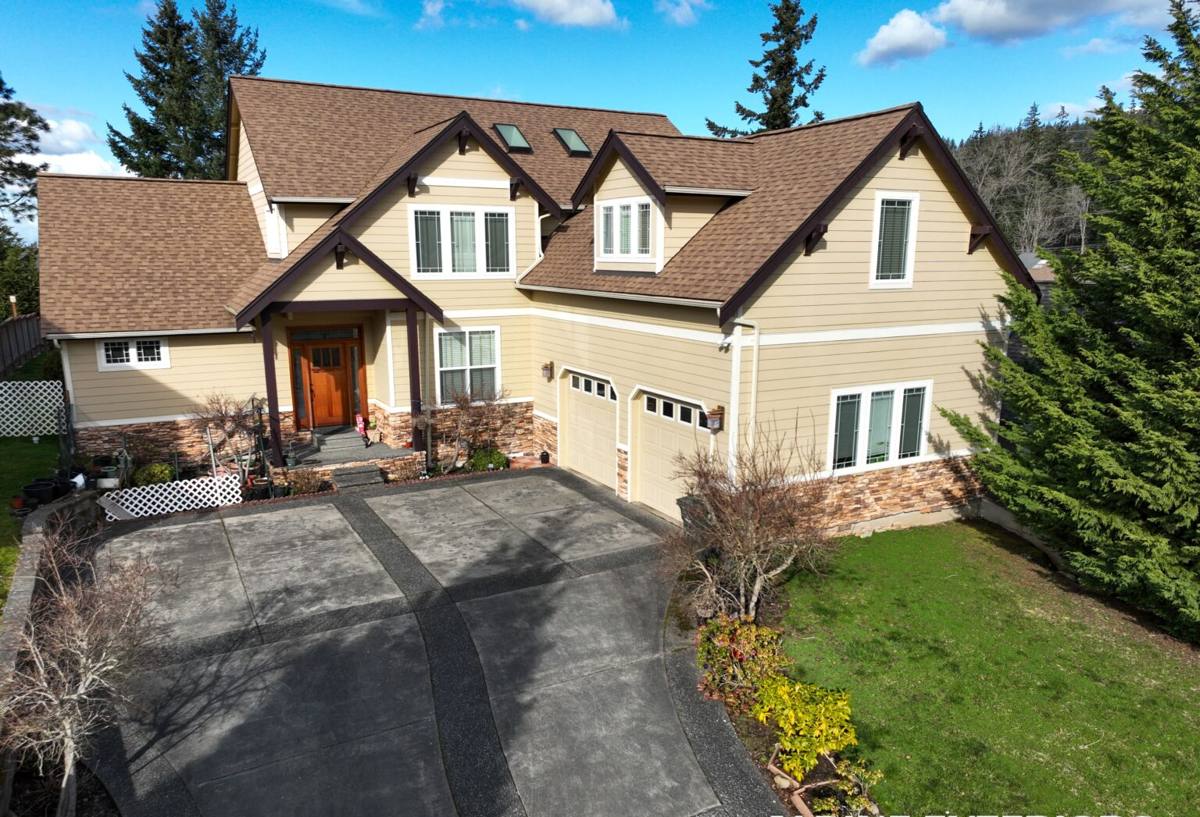
What Alger Homes Need From a New Roof
Salt Air and Metal Fasteners
Homes close to the water deal with airborne salt that accelerates corrosion on exposed metal — nail heads, flashing, vent boots, and gutter hardware all take the hit over time. A roof installed with standard-grade fasteners and thin flashing stock will show rust streaks and early failure points well before the shingles themselves are worn out. We spec corrosion-resistant fasteners and heavier-gauge flashing on jobs in this area for that reason, not because it's required everywhere, but because it's required here.
Driving Rain and Wind-Driven Water
Rain that falls straight down is easy to shed. Rain that's pushed sideways by wind off open water finds every gap in a roofing system — under shingle tabs, around chimneys, along wall-to-roof transitions. That's why proper underlayment coverage, ice-and-water membrane at vulnerable areas, and correctly lapped flashing matter more here than in a drier, calmer climate.
Moss and Constant Shade
Many Alger lots have significant tree cover, which is great for privacy and terrible for roof longevity if it's not accounted for. Shaded, damp roof sections hold moisture longer and give moss and algae a foothold. Moss isn't just cosmetic — its root structure lifts shingle edges and holds water against the roof deck, which is where rot starts.
What a Correct New Roof Installation Actually Involves
A roof replacement is more than pulling off old shingles and nailing down new ones. Done right, it's a system, and every layer matters:
- Tear-off and deck inspection — removing the old roofing down to the sheathing and checking for soft spots, rot, or delamination before anything new goes on.
- Sheathing repair — replacing any damaged decking rather than roofing over it, since a new roof is only as good as what it's fastened to.
- Ice-and-water membrane — self-adhering waterproof membrane at eaves, valleys, and around penetrations, which matters more here given how often Whatcom County sees prolonged wet weather.
- Synthetic underlayment — a full water-resistant layer across the deck as a second line of defense under the primary roofing material.
- Flashing — new step flashing, counter-flashing, and valley flashing at every wall, chimney, and roof transition. Reused old flashing is one of the most common causes of early leaks on an otherwise new roof.
- Ventilation — intake at the eaves and exhaust at the ridge, sized and balanced correctly for the attic space.
- Roofing material installation — installed to manufacturer spec, with correct nailing patterns and exposure, not just "close enough."
- Cleanup and final inspection — magnetic sweep for stray fasteners, gutter check, and a walkthrough of the finished roof.
Ventilation: The Step Homeowners Don't See but Feel Later
Attic ventilation gets skipped or under-built more often than any other part of a roofing job, and in a damp climate like this one, that shortcut shows up as trapped moisture, premature shingle aging from the underside, and in some cases mold in the attic. Balanced ventilation — enough intake at the soffits to match exhaust at the ridge — keeps the attic space closer to outdoor temperature and humidity, which reduces condensation and helps the new roofing material last through its full expected lifespan instead of failing early from the inside out.
We size ventilation to the actual square footage and roof design of the house rather than installing a generic vent count, and we check existing soffit intake during the estimate, since blocked or insufficient intake is a common issue on older Alger homes that have had insulation added over the years without a matching ventilation update.
Choosing the Right Roofing System for This Climate
There's no single "best" roofing material — the right choice depends on budget, roof pitch, how much tree cover the property has, and how long the homeowner plans to stay in the house. Here's an honest comparison of the systems we install most often in this region:
| Material | Typical Lifespan | How It Handles This Climate | Maintenance Reality |
|---|---|---|---|
| Architectural asphalt shingle | 25-30 years | Solid performer with proper underlayment and ventilation; good algae-resistant options available for shaded lots | Periodic moss removal recommended in shaded areas |
| Standing seam metal | 40-50+ years | Sheds water and moss very effectively due to smooth, steep-shedding surface; handles wind-driven rain well | Low; occasional fastener and seam check |
| Cedar shake | 20-30 years with upkeep | Traditional look, but requires more diligent maintenance in consistently damp, shaded conditions to prevent moisture retention | Higher; regular treatment and moss control needed |
| Synthetic composite shingle | 30-50 years | Resists moisture absorption well; good option where cedar look is wanted with less upkeep | Low to moderate |
For heavily shaded Alger lots specifically, we lean toward steeper-shedding profiles and algae-resistant shingle products, or metal where the homeowner wants the lowest long-term maintenance. We'll walk through the honest trade-offs for your specific roof during the estimate rather than pushing one product across every job.
A Note on Product Warranties
Manufacturer warranties on roofing materials are only as good as the installation underneath them. Most shingle and metal warranties require correct underlayment, ventilation, and flashing practices to remain valid — a beautiful-looking roof installed with shortcuts can still void its own warranty. We install to manufacturer specification for exactly this reason, and we'll show you what that means for the specific product you choose.
Our Installation Process, Start to Finish
- On-site estimate — we walk the roof (not just the ground), check the attic for ventilation and moisture signs, and measure for an accurate, itemized quote.
- Material selection — we go over the honest pros and cons for your roof's pitch, exposure, and tree cover, and help you land on a system that fits your budget and how long you plan to own the home.
- Scheduling around weather — we plan installs with Whatcom County's rain patterns in mind and stage materials to minimize how long the deck sits exposed.
- Tear-off and deck inspection — full removal of old roofing, with photos and a direct conversation if we find deck damage before we cover it up.
- Installation — underlayment, ice-and-water membrane, flashing, ventilation, and roofing material installed in sequence to spec.
- Final walkthrough — we review the finished roof with you, cover care basics, and answer questions before we consider the job done.
Why Local Experience Matters for This Job
A roofing crew that already works Alger and the greater Sudden Valley area knows things a crew from outside the region has to learn on your roof. That includes which roof orientations in this area take the worst of the wind-driven rain, how much shade a given tree canopy really produces through the wet season, and which flashing details tend to fail first on homes built to older code in this part of Whatcom County. That local pattern recognition shows up in fewer surprises during tear-off and a roof that's built for the conditions it actually has to survive, not a generic spec sheet.
It also means faster response if something needs a look after the install — no long drive-in charge, no scheduling around a crew that's based an hour away.
Cost Factors Worth Understanding Before You Get Quotes
Roofing quotes vary widely, and the price differences are usually explained by real differences in scope. Here's what tends to move the number most on a full replacement:
| Factor | Why It Affects Cost |
|---|---|
| Roof size and pitch | Steeper roofs take longer and require more safety setup; larger roofs need more material and labor |
| Number of layers to remove | Tear-off of multiple old layers takes more time and disposal cost than a single-layer roof |
| Deck condition | Rotted or soft sheathing found during tear-off adds repair cost, but skipping this repair is not a real option |
| Roof complexity | Valleys, dormers, chimneys, and skylights each add flashing work and labor time |
| Material choice | Asphalt, metal, and composite products carry different material and installation costs |
| Ventilation upgrades | Adding or correcting soffit and ridge ventilation adds modest cost but protects the whole system |
Be cautious of quotes that are dramatically lower than everyone else's — it's almost always because something in that list above (deck repair, proper underlayment, adequate ventilation) has been left out of the scope rather than actually saved on.
Protecting Your New Roof After Installation
A correctly installed roof still benefits from basic upkeep, especially given how much moss and moisture this area sees:
- Have gutters cleared at least twice a year, more often if the property has heavy tree cover
- Get a visual moss check each fall before the wet season sets in
- Trim back overhanging branches to reduce shade and debris buildup on the roof surface
- Watch for granule buildup in gutters, which can signal accelerated shingle wear
- Schedule a roof inspection after any major windstorm
- Address any small leak signs immediately — attic staining, damp insulation, or ceiling spots rarely stay small
If your Alger home needs a new roof, or you just want an honest read on how much life is left in the one you have, we're happy to take a look. Reach out below for a free, no-pressure estimate — we'll walk the roof, tell you what we actually see, and give you a straight answer either way.