 Sudden Valley Siding
 Lake Whatcom Roofs Wear Differently Than Roofs Inland
A home on Lake Whatcom sits under near-constant tree cover, catches moisture off the water, and gets the same marine-influenced air that moves through the rest of Whatcom County. That combination — shade, humidity, salt-laden air, and driving rain off the water — ages a roof faster than the same product would age on a dry, open lot twenty miles inland. We've replaced enough roofs around Sudden Valley and the surrounding lake community to know that a roof built for "Washington weather" in general isn't always built for what a lakefront or lake-view property actually deals with year-round.
This page covers roof replacement specifically for homes in and around Sudden Valley and the Lake Whatcom area: what the climate does to a roof, what a correct replacement job involves, and why local experience on this specific terrain matters more than it might elsewhere.
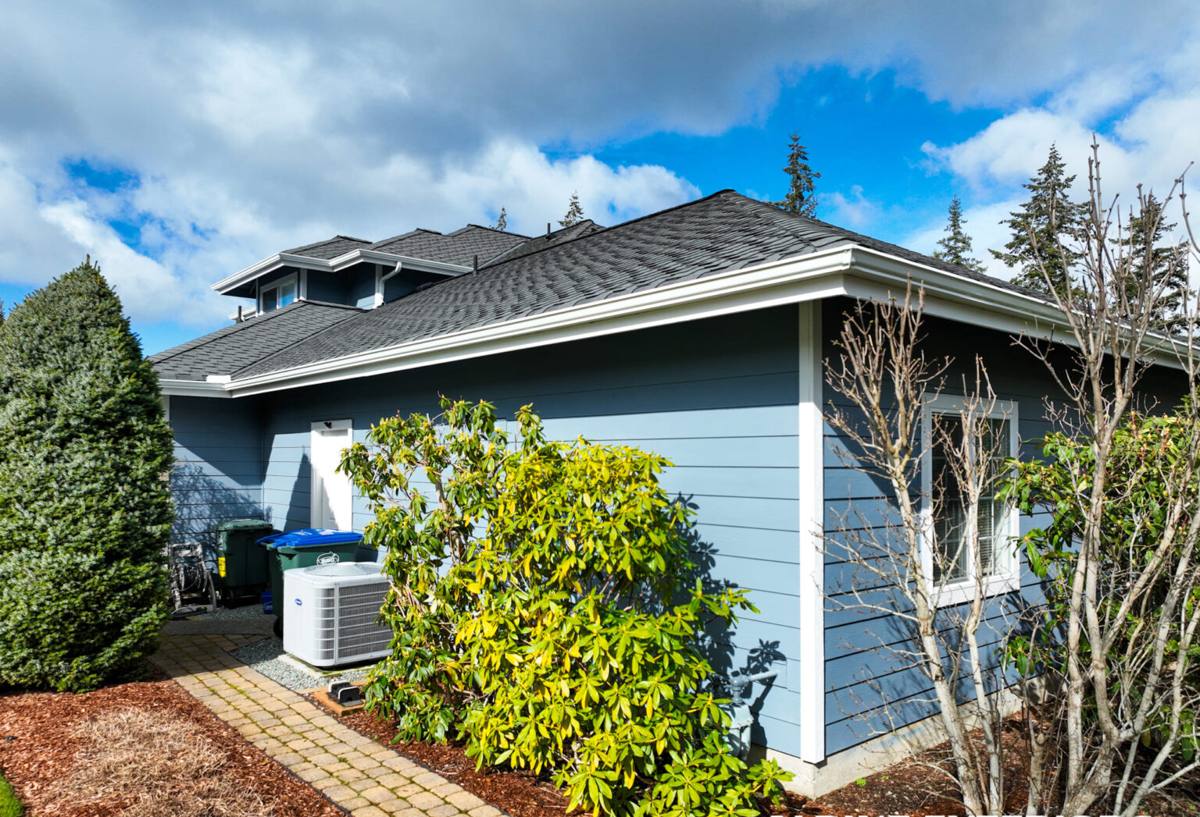
What Actually Wears Out a Roof Here
Moss and Organic Growth
The tree canopy around Lake Whatcom keeps roofs shaded and damp for long stretches of the year, and that's exactly what moss needs to take hold. Moss doesn't just look bad — its root structures work under shingle tabs and lift them, and mats of moss and needle debris hold water against the roof surface long after the rain has stopped. On a shaded, north-facing slope here, moss season can run most of the year, not just the wet months.
Driving Rain and Wind-Driven Water
Storms moving through the county don't always arrive as straight-down rain. Wind off the lake and through the surrounding hills pushes water sideways and up under laps, ridges, and flashing that would stay dry in a calmer rain event. Roofs here need underlayment and flashing details that account for wind-driven moisture, not just gravity.
Marine Air and Metal Components
Whatcom County sits close enough to the Salish Sea that salt-laden marine air is part of the regional climate, and it's harder on exposed metal than most homeowners expect — fasteners, flashing, vents, and gutter hardware corrode faster when they're not rated or coated for it. A roof that looks fine from the ground can still be losing integrity at every metal penetration point.
Heavy Tree Cover
Beyond moss, the trees around the lake drop needles, leaves, and branches that pack into valleys and behind chimneys, holding moisture against the deck and clogging the drainage paths a roof depends on. Overhanging limbs also mean more physical wear and more debris load than a roof in an open subdivision would ever see.
Signs a Lake Whatcom Roof Needs Replacement, Not Just Repair
Not every issue means a full tear-off. But when several of these show up together, patching stops being the economical option:
- Moss established across multiple slopes, not just a shaded corner
- Granule loss heavy enough that you can see bare asphalt or find granules pooling in gutters
- Shingles that are cupping, curling, or cracking rather than lying flat
- Soft spots or sagging when walked on, which usually means deck damage underneath
- Repeated leaks around the same valley, chimney, or vent despite prior repairs
- Roof is nearing or past the manufacturer's expected service life for this climate
- Visible daylight or water staining in the attic along the roof line
What a Correct Roof Replacement Actually Involves
Tear-Off and Deck Inspection
We remove the existing roofing down to the deck rather than layering over it. That's the only way to actually see what's underneath — soft or rotted sheathing, prior water damage, or ventilation gaps that a layover would just seal in and hide for the next owner to discover.
Underlayment and Moisture Barriers
Given how much wind-driven rain this area sees, we don't treat underlayment as a formality. Ice-and-water membrane goes in the valleys, eaves, and around penetrations where wind-driven water is most likely to find a way in, with synthetic underlayment across the rest of the deck as the secondary water barrier under the roofing material itself.
Ventilation
A shaded, moisture-heavy site needs the attic to actually dry out between wet spells. Balanced intake and exhaust ventilation keeps moisture from condensing on the underside of the deck, which is one of the quieter causes of premature rot in homes surrounded by tree cover.
Flashing, Valleys, and Penetrations
Most roof leaks we find don't come from the field of the shingle — they come from flashing around chimneys, skylights, vents, and valleys. We use corrosion-resistant flashing material appropriate for this marine-influenced air and detail it to shed wind-driven rain, not just standing water.
Choosing a Roofing Material for This Climate
There's no single "best" roofing material for every home on the lake — it depends on your roof's exposure, slope, tree cover, and budget. Here's how the common options actually compare for a Lake Whatcom property:
| Material | Moss/Moisture Resistance | Typical Lifespan Here | Maintenance Burden |
|---|---|---|---|
| Standard asphalt composition shingle | Moderate — needs algae-resistant granules and regular cleaning | 18–25 years | Moderate; moss treatment and gutter clearing needed |
| Algae-resistant/architectural shingle | Good — copper- or zinc-infused granules slow organic growth | 25–30 years | Lower, but not maintenance-free under heavy tree cover |
| Standing seam metal | Very good — sheds moisture fast, little surface for moss to grip | 40–50+ years | Low; watch fastener and flashing corrosion in marine air |
| Cedar shake | Poor without diligent upkeep — organic material is what moss prefers | Highly variable | High; frequent treatment required in shaded, damp settings |
We generally steer shaded, tree-covered lots toward algae-resistant shingle lines or metal, not because other materials are bad products, but because untreated wood shake asks a lot of upkeep in exactly the conditions this area produces most.
Our Replacement Process
- On-site inspection — we walk the roof and attic, not just look from the ground, and check for moss extent, deck condition, and ventilation.
- Written estimate — material options, scope, and timeline laid out clearly, with no pressure to decide on the spot.
- Tear-off and deck repair — old roofing removed, deck inspected, any damaged sheathing replaced before anything new goes down.
- Underlayment and flashing installation — moisture barriers and flashing detailed for this area's wind and rain patterns.
- Roofing material installation — installed to manufacturer specification so the material warranty stays intact.
- Cleanup and final walkthrough — site cleared of debris and nails, and we walk the finished roof with you before calling the job done.
Cost Factors to Expect
Every roof replacement quote should be specific to your home, but for planning purposes, a full replacement on a typical single-family home in this area generally runs in the broad range of roughly $9,000 to $25,000 or more, depending on:
- Roof size and number of stories
- Roof pitch and complexity (valleys, dormers, chimneys)
- Material chosen — standard shingle versus architectural shingle versus metal
- Extent of deck repair needed once tear-off exposes the sheathing
- Access — tree cover and driveway/road access can affect labor and staging
Any contractor who quotes a firm number without inspecting the roof and attic in person is guessing. We put a number to it only after we've actually seen the deck.
Why a Crew That Already Works Lake Whatcom Matters
Roofing crews that work around Sudden Valley regularly know things that don't show up in a generic estimate: which slopes here hold moss the longest, how tree-lined driveways and steeper lake-adjacent lots affect staging and material delivery, and how to detail a roof for wind-driven rain coming off the water rather than just following a standard spec sheet. Many properties in this community also fall under design or exterior guidelines set by the local homeowners' association, and it helps to work with a crew that's used to navigating that rather than learning it for the first time on your project.
None of that replaces a careful inspection of your specific roof — but it does mean fewer surprises and a crew that isn't guessing at what this climate does to a roof over time.
Protecting Your New Roof
A correctly installed roof still needs basic upkeep in this environment. A short annual routine goes a long way:
- Clear gutters and valleys of needles and leaves at least twice a year given the tree cover
- Treat moss at the first sign of growth rather than waiting for it to spread
- Trim overhanging branches that keep sections of the roof shaded and damp
- Have flashing and penetrations checked periodically, since that's where most leaks start
If you're weighing repair versus replacement, or just want an honest read on where your roof stands, we're happy to take a look. Request a free, no-pressure estimate using the form below.