 Sudden Valley Siding
 Geneva Siding Takes a Different Kind of Beating
Homes in and around Geneva, near Sudden Valley in Whatcom County, deal with a combination of weather that's harder on exterior siding than most homeowners realize. The marine air that moves through this part of Washington carries salt and moisture that settles into every seam, joint, and fastener line on a wall. Add driving rain that comes in sideways during fall and winter storms, and a moss season that can stretch from October well into spring on shaded, tree-lined lots, and you have conditions that will find every weak point in a siding system eventually.
Siding repair here isn't just a cosmetic fix. Done right, it's about restoring the wall's ability to shed water and resist the moss, algae, and slow rot that this climate encourages. Done wrong — patched with the wrong material, or without addressing what let water in to begin with — a repair can fail again within a year or two.
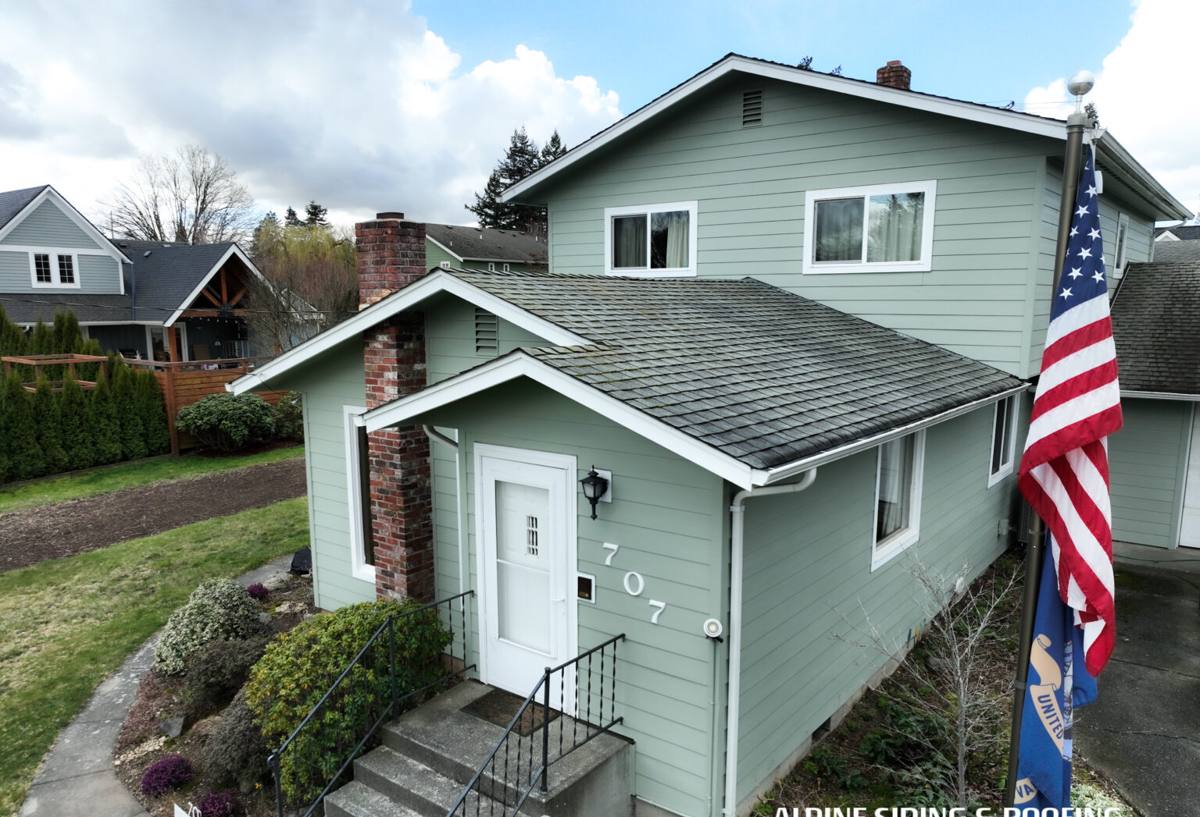
Warning Signs a Geneva Home Needs Siding Repair
Most siding problems don't announce themselves as a hole in the wall. They show up as small, easy-to-ignore signs first. If you're seeing any of the following, it's worth having someone look before the damage spreads behind the wall where you can't see it:
- Soft or spongy spots when you press on a panel, especially near the bottom courses or around windows
- Paint that's bubbling, peeling, or flaking in one localized area rather than across the whole wall
- Dark staining or streaking below seams, trim, or butt joints
- Persistent moss or green-black algae growth concentrated on one section of wall, especially north- and shade-facing sides
- Cracked, shrunken, or missing caulking at trim boards, corners, and penetrations
- Panels that have visibly separated, warped, or pulled away from the wall
- Visible rot, crumbling, or delamination at corner boards and butt joints
- A musty smell or visible mold on the interior wall that shares an exterior with a suspect area
Why These Signs Matter More Here
In a drier climate, some of these could sit for a season without much consequence. In Whatcom County's wet, moss-friendly climate, moisture that gets behind siding doesn't dry out quickly. It sits against sheathing and framing for weeks at a time, which is how a small gap becomes a rot pocket. Catching these signs early is the difference between a contained repair and a much larger one.
What a Correct Siding Repair Actually Involves
Diagnosing the Cause, Not Just the Symptom
Replacing a damaged board without figuring out why it failed is the most common shortcut in this trade, and it's why so many "repairs" don't last. A correct repair starts with tracing the water path: is it coming from a failed flashing above, a caulk joint that opened up, a missing kick-out at a roof-wall intersection, or moss holding moisture directly against the panel? The fix has to address the source, not just replace the visible damage.
Matching the Existing Siding
Whatever we patch in has to match the reveal, profile, and color of what's already on the wall, or the repair sticks out for years. This matters more with factory-finished products, where a mismatched patch is obvious in a way that field-painted siding isn't.
Rebuilding the Water-Management Layer
Every repair that opens up a wall is a chance to check the weather-resistive barrier, flashing, and house wrap behind the siding. If those layers were compromised, patching the visible siding without fixing what's underneath just resets the clock on the same failure.
Fastening and Clearance
Manufacturer-specified fastener placement and ground clearance aren't optional details — they're what keeps water moving down and off the wall instead of wicking up into the material. A repair done to spec accounts for both.
Repair or Replace? How We Help You Decide
Not every problem area needs a full re-side, and not every home is a good candidate for a spot repair. We walk Geneva homeowners through the same set of questions on every call:
| Factor | Favors Repair | Favors Replacement |
|---|---|---|
| Extent of damage | Isolated to one or two areas | Spread across multiple walls |
| Age of existing siding | Still well within its service life | Nearing or past expected lifespan |
| Moisture behind the wall | Contained, no widespread sheathing damage | Rot or water damage found at multiple points |
| Material match availability | Existing product/color still matchable | Discontinued profile or faded, unmatched color |
| Underlying cause | A single fixable defect (flashing, caulk, moss) | A systemic installation or material issue |
When damage is contained and the cause is fixable, a targeted repair is the honest, cost-effective answer. When we find the same failure repeating across the house, we'll tell you that plainly rather than patch it wall by wall over several years.
Why We Repair With James Hardie Fiber Cement Only
We install and repair exclusively with James Hardie fiber cement siding, and that standard carries into repair work too. When a patch is needed, we're working with a non-combustible material and a factory-applied ColorPlus finish that's engineered to hold its color and resist the moisture, moss, and UV exposure this climate delivers — which makes blending a repair into existing Hardie siding far more reliable than patching a field-painted or moisture-sensitive product.
We don't patch in vinyl, LP SmartSide, primed wood, or cedar sections onto a home, even as a stopgap. Those materials handle moisture, expansion, and finish differently than fiber cement, and a mixed-material patch tends to age unevenly and telegraph the repair over time. If your home isn't already sided in Hardie and needs more than a minor fix, we'll walk you through what a proper transition or full re-side would look like rather than force a mismatched patch that won't hold up in this climate.
Our Process for a Geneva Repair Call
- On-site inspection. We look at the damaged area and the surrounding wall, not just the spot you called about, since moss and moisture problems rarely stay contained to one board.
- Moisture and cause check. Where damage suggests water intrusion, we check flashing, caulking, and — where necessary — open the wall enough to see what's happening behind the siding.
- Written scope and estimate. You get a clear explanation of what's being repaired, why, and what it costs before any work starts.
- The repair itself. Matched material, correct fastening, and rebuilt flashing or water-resistive barrier where the inspection called for it.
- Walkthrough and warranty. We show you what was done and what to watch for going forward.
Cost Factors for Siding Repair in Geneva
Every repair is different, but the cost of a job in this area tends to move on a handful of factors:
| Factor | Why It Affects Cost |
|---|---|
| Size of the affected area | More panels and trim to remove and replace |
| Height and accessibility | Second-story or steep-lot work takes longer and needs more equipment |
| Hidden damage behind the siding | Rotted sheathing or framing found once the wall is opened adds scope |
| Color and profile matching | Sourcing a matching finish takes more care than a plain patch |
| Flashing or moisture-barrier work | Fixing the underlying cause, not just the surface |
Most straightforward, contained repairs land in a modest range; jobs that uncover hidden rot or require rebuilding flashing cost more because there's more work involved, not because of markup. We'll always tell you which situation you're in before we start.
Why a Crew That Already Works in Geneva Matters
A contractor who's worked on multiple homes in this area already knows the patterns: which wall orientations collect moss fastest, where lake-effect moisture tends to cause problems around window and door flashing, and how the tree cover on shaded lots keeps siding wet longer after a storm than it would in a more open location. That local pattern recognition speeds up diagnosis and keeps us from treating your repair as a one-off guess.
It also matters for accountability. A crew that's local to Whatcom County isn't a name from an app that shows up once and disappears — if something needs a follow-up look after the next wet season, we're still here.
Keeping Moss and Moisture From Coming Back
A good repair should hold up, but a few habits make a real difference in how long it lasts in this climate:
- Keep gutters clear so overflow doesn't run down the wall face
- Trim back branches and vegetation that keep siding shaded and damp longer than necessary
- Rinse moss and algae buildup off siding gently at least once a year rather than letting it establish
- Recheck caulking at trim and penetrations every couple of years — it's a cheap fix that prevents an expensive one
- Walk the exterior after major storms and note any new staining, gaps, or soft spots early
If you're seeing any of the signs above on a Geneva or Sudden Valley home, we're happy to take a look and give you a straight answer on what it needs. Reach out for a free, no-pressure estimate using the form below.