 Sudden Valley Siding
 Roof Replacement Built for Geneva's Weather, Not a Generic Climate
Geneva sits close to the water on the north side of the Sudden Valley area, and that location shapes what a roof here actually has to withstand. It's not just "Pacific Northwest rain" in the abstract — it's driving rain that comes in sideways off the lake during fall and winter storms, a salt-tinged marine air layer that drifts in from the Sound and works on exposed metal and fasteners, and a moss season that runs longer here than it does twenty minutes inland because of the tree cover and the humidity that sits low in the valley. A roof replacement done right for a Geneva home accounts for all three, not just the shingle color.
We're not describing a theoretical climate zone. This is the roof we look at every time we're on a ladder in Whatcom County: north- and east-facing slopes that stay damp longer, valleys and low-slope sections that hold standing water after a storm, and fastener heads and flashing that take more corrosion pressure than a roof twenty miles south. Replacement decisions — material, underlayment, ventilation — should be made with that in mind, not with a one-size-fits-all spec sheet.
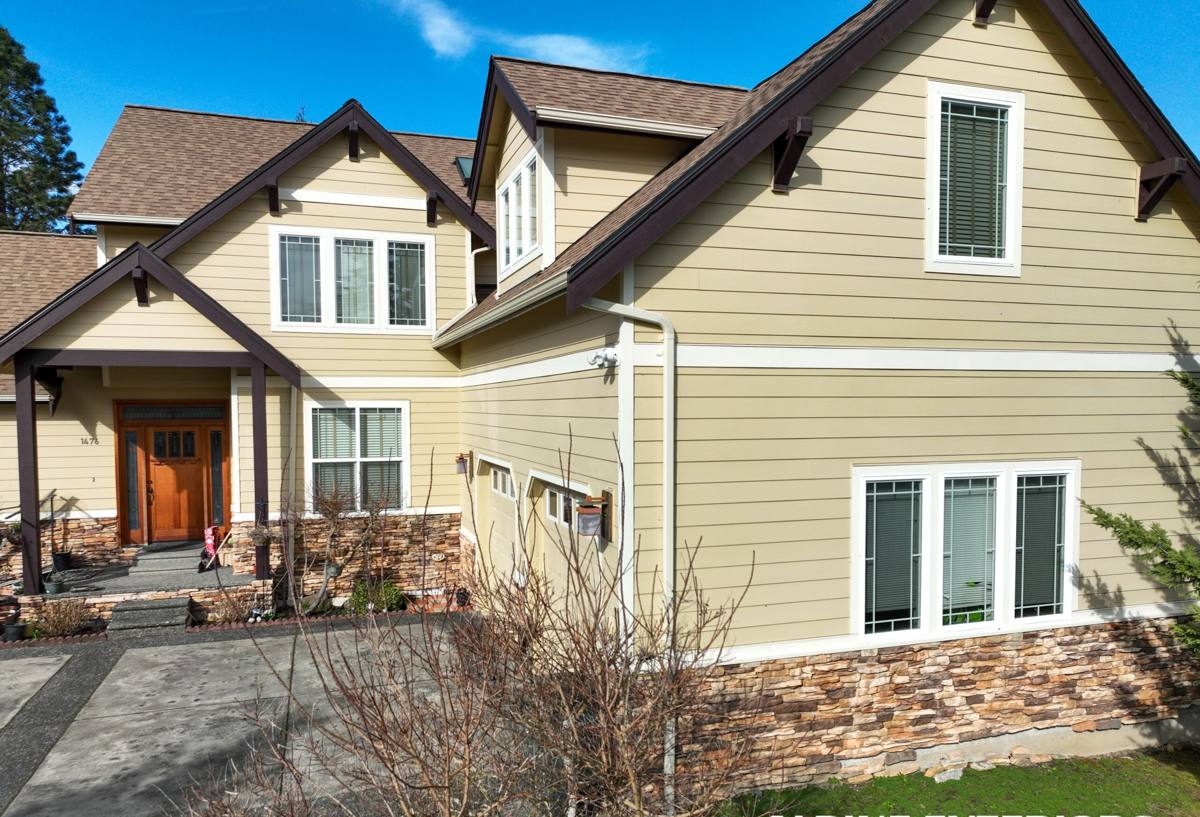
Signs a Geneva Roof Needs Replacing, Not Just Patching
A lot of roofs in this area get patched two or three times before anyone calls in a full replacement, and by then the decking underneath has usually taken on more moisture damage than the shingles let on from the ground. Some signs it's time to stop patching:
- Granule loss heavy enough that you're finding grit in the gutters every season, not just after a new roof settles
- Moss that keeps coming back within a few months of being cleaned off, especially on shaded or north-facing slopes
- Shingles that are curling, cupping, or cracking, particularly on the side of the house that takes the worst of the driving rain
- Soft spots, sagging, or discoloration on the underside of the roof deck visible from the attic
- Flashing around chimneys, vents, or valleys that's rusted, lifted, or was never properly stepped in the first place
- A roof approaching or past the manufacturer's expected service life for our climate, which tends to run shorter here than the national average printed on the shingle wrapper
If you're only seeing one or two of these and the decking is sound, a repair may still make sense. Once moisture has gotten under the shingles for more than a season, patching usually just delays a replacement while adding cost.
What a Correct Roof Replacement Actually Includes
A roof replacement is more than swapping old shingles for new ones. In a climate that sees this much rain and this much moss pressure, the layers underneath the shingles matter as much as the shingles themselves.
Tear-off and deck inspection
We remove the old roofing down to the deck rather than layering over it. That's the only way to actually see what's underneath — soft plywood, old water staining, or rot around penetrations doesn't show up until the old material is off. Any damaged decking gets replaced before anything new goes down; skipping this step is the single most common shortcut that leads to problems a few years later.
Ice and water shield in the vulnerable spots
Valleys, eaves, and areas around chimneys and skylights get a self-adhering waterproof membrane underneath the underlayment. On a roof that deals with wind-driven rain as often as ours does, this is the difference between water that sheds off the roof and water that gets forced backward under the shingles at a seam.
Underlayment across the full deck
A synthetic underlayment goes down over the rest of the roof as a second line of defense. It handles the moisture that gets past the shingles during a hard storm before it ever reaches the deck.
Flashing done properly, not just caulked
Step flashing at walls and chimneys, proper valley flashing, and correctly lapped flashing at penetrations — done in the right order, with the right laps, so water is always shed downhill rather than depending on sealant to hold it back. Sealant fails; correctly lapped flashing doesn't need to.
Ventilation that matches the house
Intake at the eaves, exhaust at the ridge, balanced so air actually moves through the attic instead of just sitting there. This matters more here than in a drier climate — see below.
Ridge caps, drip edge, and fasteners rated for the exposure
Corrosion-resistant fasteners and properly finished ridge and edge details close out the job. These are small line items that get skipped by crews trying to save time, and they're exactly the details that fail first in salt-influenced marine air.
Materials: What Actually Holds Up in Sudden Valley and Geneva
There's no single "best" roofing material — the right choice depends on your roof's exposure, your home's style, and how much long-term maintenance you want to take on. Here's how the common options actually perform in this specific climate:
| Material | Typical Lifespan Here | Moss / Algae Resistance | Best Fit | Relative Cost |
|---|---|---|---|---|
| Standard 3-tab asphalt shingle | 15–20 years | Low — needs regular cleaning on shaded slopes | Budget-conscious replacements, rental properties | $ |
| Architectural (dimensional) shingle | 25–30 years | Moderate; algae-resistant granule options available | Most Geneva homes — good balance of durability and cost | $$ |
| Standing seam metal | 40–50+ years | High — sheds moss buildup better than any shingle | Steep roofs, homes prioritizing longevity over upfront cost | $$$ |
| Synthetic/composite shake or slate | 30–50 years | Moderate to high depending on product | Homes wanting a wood-shake or slate look without the maintenance | $$$ |
| Natural cedar shake | 20–30 years with upkeep | Low — holds moisture and moss without consistent maintenance | Homes committed to the traditional look and its upkeep schedule | $$–$$$ |
We'll walk you through which of these makes sense for your specific roof pitch, exposure, and shading during the estimate — not just hand you a brochure. A steep, sun-exposed south face and a shaded, low-slope north face on the same house can reasonably call for different maintenance expectations even with the same material.
A note on cedar shake
We still install cedar shake for homeowners who want that look and understand the tradeoff. Our honest standard: in a climate with this much sustained moisture and this long a moss season, cedar needs more frequent cleaning and occasional treatment to perform well over time. That's not a knock on the material — it's simply a higher-maintenance product in a wet climate, and we'd rather tell you that upfront than let you find out after the first few winters.
Ventilation and Moisture: Why It Matters More on This Side of the County
An underventilated attic in a dry climate is a slow problem. In a climate with this much ambient humidity and this long a rainy season, it's a fast one. Trapped moist air in the attic condenses on the underside of the roof deck, which rots plywood from the inside and feeds mold growth — all invisible from the ground and often invisible from inside the attic until it's advanced.
Balanced intake and exhaust ventilation, sized correctly for your attic's square footage, keeps air moving so moisture doesn't sit. It also helps regulate attic temperature, which reduces the freeze-thaw cycling that can contribute to ice damming during cold snaps. Any roof replacement we do includes a real look at your existing ventilation, not just a reinstall of whatever vents were there before.
Our Roof Replacement Process
- Inspection and estimate. We get on the roof, check the deck condition where accessible, look at ventilation, flashing, and drainage, and give you a written estimate with material options — no pressure, no inflated "today only" pricing tactics.
- Material selection. We go over the tradeoffs above in the context of your specific roof, budget, and how long you plan to stay in the home.
- Scheduling around the weather. We plan the tear-off and dry-in around a dry window whenever possible, given how quickly conditions can turn here.
- Tear-off and deck repair. Full removal of old roofing, replacement of any compromised decking, and a clean surface for the new system.
- Waterproofing, underlayment, and flashing. Installed in the correct order and lap sequence, not shortcuts.
- New roofing installation. Installed to manufacturer spec so warranty coverage stays intact.
- Ventilation check and correction. Adjusted or upgraded as needed for your attic.
- Cleanup and magnetic sweep. Job site and yard cleared of debris and stray fasteners before we consider the job done.
If Your Home Is Part of a Community Association
Many homes in and around Sudden Valley fall under community association covenants that can address roofing material, color, or appearance guidelines. If that applies to your property, it's worth checking your association's architectural guidelines before finalizing a material choice — we're happy to work from whatever those requirements are once you have them, and can help you pick a compliant option from the table above.
Why a Crew That Already Works Geneva Matters
Roofing crews that mostly work drier or more sheltered parts of the region sometimes underestimate what a lake-adjacent, tree-covered roof in this part of Whatcom County actually needs — lighter ventilation specs, underlayment choices that work fine inland but not here, or moss-prevention steps skipped because "it doesn't usually come back this fast" where they're used to working. A crew that's already replaced roofs on this side of the county knows which slopes hold moss longest, which valleys need extra attention during flashing, and how the salt-influenced air affects fastener and flashing choices over time. That's not a marketing point — it's the difference between a roof that performs as expected and one that needs attention again in five years instead of fifteen.
After Your New Roof Goes On: A Maintenance Checklist
A correctly installed roof still benefits from basic upkeep in this climate. This is the short list we give every homeowner after a Geneva roof replacement:
- Clean gutters and downspouts at least twice a year, more often if you're under fir or cedar trees
- Have moss growth addressed before it spreads — a light treatment early is far cheaper than a heavy cleaning later
- Trim back overhanging branches to reduce shade, debris, and abrasion on the roof surface
- Do a visual check of flashing around chimneys and vents each fall, before the heavy rains set in
- Make sure attic vents stay clear of insulation, storage, or debris that can block airflow
- After any major windstorm, do a quick visual check from the ground for lifted or missing shingles
None of this requires a professional visit every time — most of it is a homeowner doing a quick check a couple of times a year. It's the cheapest insurance there is against a callback that could've been avoided.
If you're weighing repair versus replacement, or just want a straight answer on what your roof actually needs, we're glad to come take a look. The estimate is free, there's no pressure to sign anything on the spot, and you'll get a clear explanation of what we see and why — use the form below to get started.