 Sudden Valley Siding
 Fairhaven's Roofs Work Harder Than Most
Fairhaven sits close to Bellingham Bay, which means roofs here deal with a combination most inland Whatcom County neighborhoods don't: salt-laden air off the water, wind-driven rain that hits roof edges and flashing sideways instead of straight down, and heavy tree cover that keeps shaded roof sections damp for days after a storm passes. None of those things ruin a roof overnight. They wear it down slowly, in the places a homeowner isn't looking — under moss mats, behind flashing, inside a valley that never fully dries out between October and May.
That's the backdrop for every repair call we take in this neighborhood. A roof repair here isn't just "patch the leak." It's understanding why that spot failed first, so the fix outlasts the next wet season instead of becoming next year's callback.
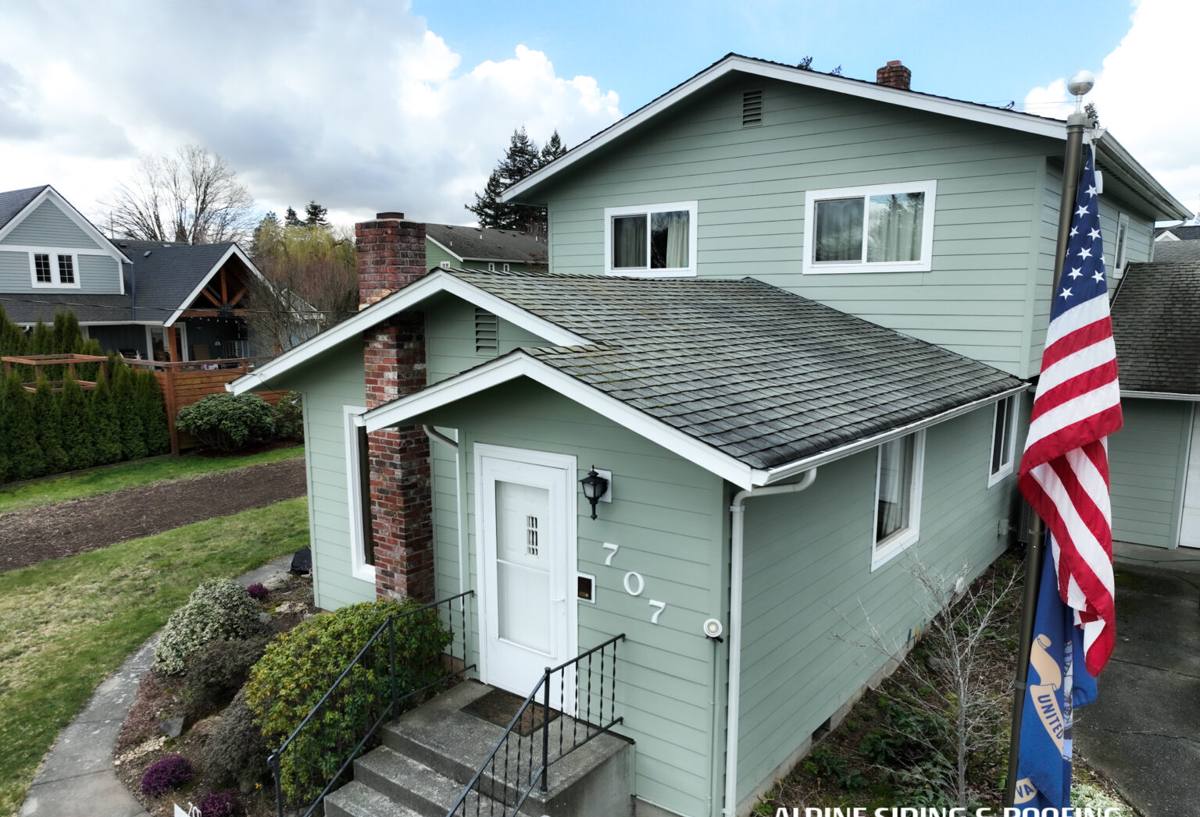
Signs a Fairhaven Roof Needs Repair, Not Just a Look
Most homeowners call us after they've already seen something — a stain on a ceiling, a shingle in the yard after a windstorm, daylight in the attic. By the time interior damage shows up, the roof problem underneath has usually been developing for a while. Here's what we look for, and what it usually means:
- Granule buildup in gutters or downspouts — normal in small amounts as a roof ages, but heavy loss after storms signals accelerated wear, often worsened by trapped moisture under moss.
- Dark streaking or green-black patches on north-facing slopes — algae and moss taking hold where shade and moisture linger longest; left alone, moss roots work under shingle edges and lift them.
- Soft or spongy decking underfoot — a sign water has already reached the sheathing, usually from a slow flashing or valley leak rather than a single storm event.
- Rust streaks or gaps around flashing — salt air accelerates corrosion on metal flashing and fasteners faster than it would a few miles inland.
- Curling, cracked, or missing shingles after wind events — driving rain off the bay finds any lifted edge and pushes water underneath it.
Why Moss Season Is the Real Enemy Here
Whatcom County's long, wet stretch from fall through spring gives moss everything it needs — shade, moisture, and time. On a Fairhaven roof, moss doesn't just look bad. It holds water against the shingle surface long after the rest of the roof has dried, which softens the asphalt mat, accelerates granule loss, and can eventually work its way under shingle tabs and lift them enough for wind and rain to get underneath. A roof that would otherwise last its full service life can develop soft, rotten decking years early if moss is left to spread unchecked.
Regular moss removal and treatment isn't cosmetic maintenance — it's one of the most effective things a homeowner in this climate can do to protect the roof deck itself. We treat moss as part of most repair visits when we see it building, not as an upsell.
Where Moss and Algae Take Hold Fastest
Shaded north- and west-facing slopes, valleys where two roof planes meet, and areas under overhanging tree limbs are the first places we check. These spots dry last after every rain, which in a coastal Whatcom County winter can mean they're rarely fully dry at all.
What a Correct Repair Actually Involves
A roof repair done right isn't about slapping sealant on the spot where water is showing up inside the house — that's often several feet from where the water is actually entering. Water travels along the underside of decking and roofing felt before it finds a gap to drip through, so tracing a leak back to its real source takes more than a quick look from a ladder.
Our Process, Step by Step
- On-site inspection. We walk the roof (weather permitting) and check the attic from inside, looking for moisture staining, daylight gaps, and the actual path water is taking — not just the visible symptom.
- Honest diagnosis and written estimate. We explain what we found, why it happened, and what it will take to fix it properly — including if the smarter move is a targeted repair versus flagging a larger issue developing elsewhere on the roof.
- The repair itself. Depending on the cause, this might mean replacing damaged shingles and underlayment, resealing or replacing flashing around chimneys, vents, or skylights, rebuilding a compromised valley, or addressing rotten decking underneath.
- Moss and debris clearing. If moss or heavy debris contributed to the problem, we clear it and can apply treatment to slow regrowth, since leaving it in place would undo the repair within a season or two.
- Cleanup and walkthrough. We clear the site of debris and old material and walk you through what was done and what to watch for going forward.
Common Repair Situations We See in This Neighborhood
| Issue | Typical Cause Near the Water | What the Fix Involves |
|---|---|---|
| Leak near a chimney or skylight | Flashing seal breaking down faster under salt air exposure | Remove and reflash with corrosion-resistant material, reseal properly |
| Soft spot in a valley | Standing moisture from slow-draining valleys under heavy moss | Clear moss, inspect decking, replace rotten sections, rebuild valley |
| Missing or lifted shingles after a windstorm | Driving rain and gusts off the bay catching a lifted edge | Replace damaged shingles, check surrounding fasteners and seal lines |
| Granule loss and thinning shingles | Prolonged moisture retention accelerating asphalt breakdown | Assess remaining life; repair isolated sections or recommend broader attention |
| Rusted fasteners or flashing | Salt air corrosion on standard metal components | Replace with corrosion-resistant fasteners and flashing rated for coastal exposure |
Materials We Use — and Why
For repair work in a salt-air, high-moisture climate like Fairhaven's, we lean toward materials built for that exposure rather than whatever is cheapest at the yard. That means corrosion-resistant flashing and fasteners instead of standard galvanized where salt exposure is a real factor, and synthetic or high-quality felt underlayment that holds up to sustained dampness better than older asphalt-saturated felt does.
We're selective about matching repair materials to what's already on the roof when possible, since mismatched shingle profiles or colors are one of the most common reasons a "small repair" ends up looking obviously patched. When an exact match isn't available — which happens on older roofs — we'll tell you that upfront and talk through the options rather than let it be a surprise.
A Note on Moisture-Sensitive Products
Some roofing materials perform beautifully in drier climates but are more sensitive to installation quality and sustained moisture — wood shakes are the clearest example. We're not going to tell a homeowner their existing wood roof is a mistake, but if you're weighing repair versus a material change, we'll walk you through the honest maintenance burden of keeping a moisture-sensitive product performing well this close to the water, versus options that carry less upkeep in this specific climate.
Why Local Experience in Fairhaven Matters
A roofer who mostly works dry, inland jobs isn't necessarily thinking about salt-air corrosion timelines or how long a shaded valley stays wet after a Pacific storm system moves through. We work Whatcom County roofs regularly, including homes close to Bellingham Bay, so we're not guessing at how this specific combination of salt air, rain, and tree cover behaves over time — we're accounting for it in the diagnosis and the materials we recommend, not just the immediate repair.
That also means we're realistic about scheduling around the wet season. Some repairs can be done in a light rain; others need a dry window to be done right. We'll tell you which is which rather than rush a fix that won't hold.
Simple Maintenance That Extends the Life of a Repair
A good repair should last. These habits, done a couple of times a year, go a long way toward making sure it does:
- Keep gutters and downspouts clear so water isn't backing up under the roof edge, especially heading into the fall rains
- Trim back overhanging branches to cut down on shade and debris buildup on north-facing slopes
- Have moss addressed before it spreads, not after it's visibly lifting shingles
- Check the attic occasionally for musty smells, staining, or daylight — early signs are far cheaper to fix than late ones
- After any significant windstorm, do a visual check from the ground for missing or displaced shingles
What to Expect From an Estimate
We'll inspect the roof, explain what we find in plain terms, and give you a written estimate before any work starts. If the issue is minor, we'll say so — we're not going to recommend a bigger job than the roof needs. If we find something that suggests a larger problem developing, we'll explain why, show you what we're seeing, and let you decide how to move forward.
If you're dealing with a leak, storm damage, or a roof that's showing signs of wear in Fairhaven or elsewhere in Whatcom County, we're happy to take a look. Use the form below to request a free, no-pressure estimate.