 Sudden Valley Siding
 Window Installation for Columbia Homes Near Sudden Valley
Columbia sits in the kind of Whatcom County weather that's hard on windows year-round: long stretches of driving rain, salt-laden air moving in off the water, and a moss season that seems to stretch longer every year. None of that is dramatic on its own, but stacked together over a decade or two, it's exactly the combination that finds every weak point in a window installation — the flashing detail that was rushed, the sealant bead that was too thin, the sill that was never properly sloped to shed water. We install windows for homes in and around the Sudden Valley area, and almost every replacement job we run into started as a small, ignorable problem that the climate eventually turned into a real one.
This page is specifically about window installation for Columbia — not siding, not roofing, not a general contractor overview. If you're weighing whether your windows need attention, or you already know they do and want to understand what a correct installation actually involves, this is written for you.
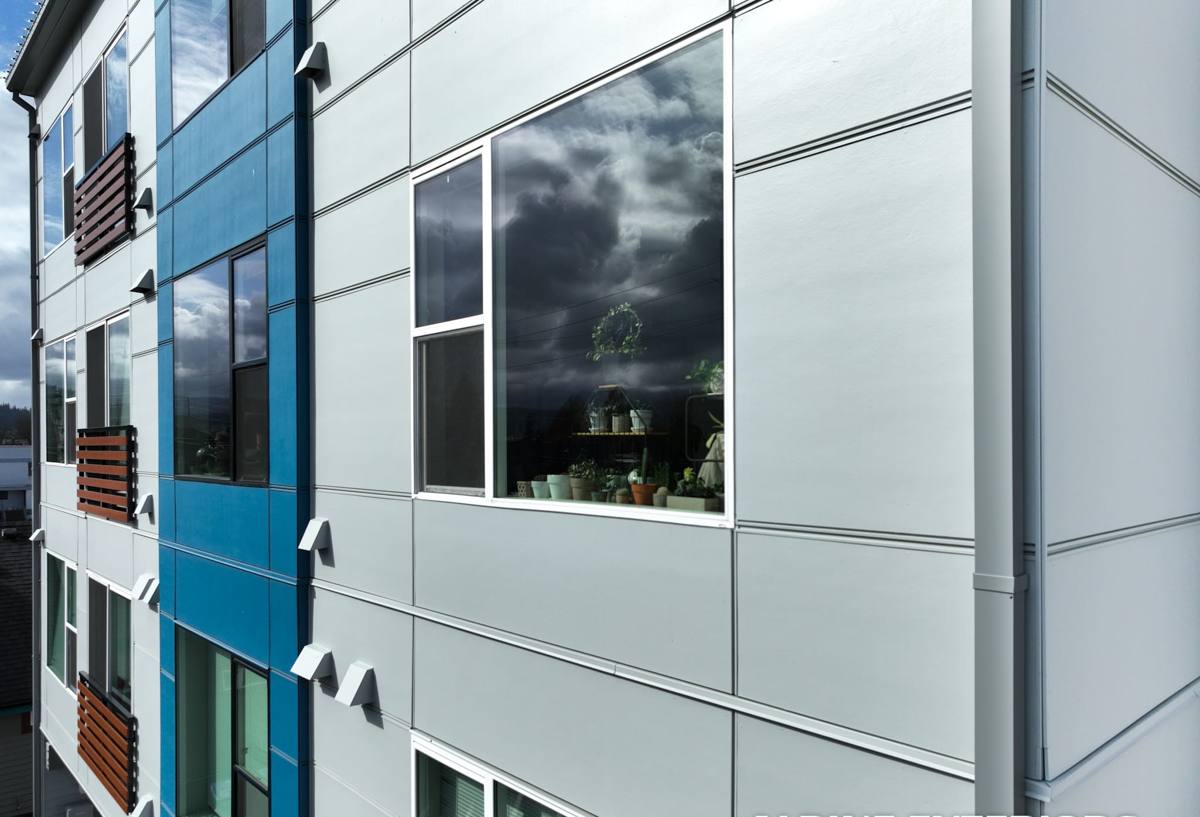
What This Climate Does to Windows Over Time
Whatcom County's marine climate is mild, which is part of why people like living here — but "mild" doesn't mean gentle on building materials. A few specific patterns show up again and again on older windows in this area:
Moisture Intrusion at the Frame
Wind-driven rain doesn't just hit a window head-on; it gets pushed sideways and upward under eaves and around trim. If the flashing behind the window wasn't lapped correctly during the original installation, water works its way behind the frame a little at a time. You usually don't see it until there's staining on interior drywall, a soft spot in the sill, or a musty smell near the window on rainy weeks.
Salt Air and Hardware Corrosion
Salt in the air accelerates corrosion on window hardware — hinges, cranks, locks, and especially any exposed aluminum or lower-grade steel fasteners. Windows that operate stiffly, don't latch flush anymore, or have visible white corrosion on hardware are often past the point where lubrication or adjustment fixes the problem.
Moss, Algae, and Trapped Moisture
A long moss season means more organic growth holding moisture against exterior surfaces, including window sills and the trim around them. Wood trim in constant contact with damp moss softens and rots faster than most homeowners expect. It's a slow process, which is exactly why it tends to go unnoticed until the wood is already compromised.
Signs a Columbia Home Needs Window Installation, Not Just a Repair
Not every window problem calls for full replacement. But there's a point where patching stops making sense — either because the frame itself has failed, or because repeated repairs cost more over time than doing it right once. Signs worth taking seriously:
- Visible rot, soft wood, or paint bubbling on the window frame or sill
- Condensation forming between the panes of a double-pane window (a failed seal — this can't be fixed, only replaced)
- Windows that are difficult to open, close, or lock, especially after a wet season
- Noticeable drafts or cold spots near the window even when it's fully closed
- Visible daylight or gaps around the frame from outside
- A jump in heating costs without another clear explanation
- Exterior caulking that's cracked, shrunk, or pulling away from the siding
What a Correct Window Installation Actually Involves
Window installation looks simple from the outside — remove the old unit, set the new one, trim it out. The part that actually determines whether the window lasts happens in the layers you don't see afterward.
Removal and Opening Inspection
Once the old window is out, we inspect the rough opening for hidden rot, framing damage, or prior water intrusion before anything new goes in. Installing a new window into a compromised opening just resets the clock on the same failure.
Flashing and Water Management
This is the single most important step for a home dealing with driving rain. Flashing tape and pan flashing need to be layered correctly — bottom to top, like shingles — so any water that does get past the exterior cladding is directed back out, never trapped behind the window.
Air Sealing and Insulation
The gap between the window frame and the rough opening gets sealed with low-expansion foam or backer rod and sealant, not just stuffed with fiberglass. This is where a lot of drafts and energy loss actually originate, and it's invisible once trim goes back on — which is exactly why it's worth asking your installer about directly.
Leveling, Shimming, and Fastening
A window that isn't perfectly plumb and level will operate poorly for its entire lifespan — sticking, sagging, or failing to latch square. Proper shimming and fastening according to the manufacturer's schedule is what keeps the window operating smoothly for years, not just on install day.
Exterior Sealing and Trim
The final exterior caulking and trim work is both a weather barrier and the visible finish. Rushed caulking is one of the most common points of early failure — it looks fine for a season or two, then cracks and opens a path for water.
Comparing Window Materials for This Climate
There's no single "best" window material — the right choice depends on budget, maintenance tolerance, and how much upkeep you want to take on. Here's how the common options hold up for a Sudden Valley-area home:
| Material | Moisture Performance | Maintenance | Typical Lifespan |
|---|---|---|---|
| Vinyl | Won't rot; handles moisture well | Low — occasional cleaning | 20–30 years |
| Fiberglass | Very stable; resists warping and moisture | Low | 30+ years |
| Wood-clad | Good if cladding is intact; vulnerable where it's damaged | Higher — periodic inspection and repainting | 20–30 years with upkeep |
| Aluminum | Prone to condensation and corrosion in salt air | Moderate | 15–20 years in this climate |
For most Columbia homes, we steer people toward vinyl or fiberglass because they simply require less fighting against the local climate. Wood-clad windows can look excellent and perform well, but they ask for more attention over time — that's a legitimate tradeoff, not a flaw, and it comes down to how much maintenance you want on your plate.
Glass Package Matters as Much as Frame Material
Double-pane, low-E glass with argon fill is the standard baseline for this climate — it manages both heat loss and condensation risk better than older single-pane or basic double-pane units. Triple-pane is worth discussing for north-facing rooms or homes with persistent condensation issues, though it comes at a higher cost and added weight on the frame.
Our Installation Process
- On-site assessment of existing windows, framing condition, and any moisture or rot found around openings
- Straightforward walkthrough of material and glass options with honest tradeoffs for your home and budget
- Written estimate with no pressure to decide on the spot
- Careful removal, opening inspection, and repair of any hidden damage before the new window goes in
- Installation following manufacturer flashing, sealing, and fastening specifications
- Final exterior sealing, trim, and cleanup, with a walkthrough so you know how to operate and maintain the new windows
Why Local Installation Experience Matters
Window installation guidelines are written by manufacturers for a generic climate. A crew that works Whatcom County regularly knows where those generic instructions need to be adapted — extra attention to flashing laps because of the driving rain, hardware choices that hold up better against salt air, and sill details that account for a moss season that most manuals don't anticipate. That's the kind of judgment that only comes from doing this work repeatedly in this specific area, not from a install manual alone.
After Installation: Keeping Windows Performing
New windows still benefit from a little seasonal attention in this climate:
- Clear moss and debris from sills and tracks before it holds moisture against the frame
- Check exterior caulking once a year, especially after a hard winter, and touch up any cracking
- Lubricate hardware periodically to counter salt-air corrosion
- Keep an eye out for condensation between panes — a sign of seal failure worth addressing early
Get a Straight Answer About Your Windows
If you're not sure whether your Columbia home needs a repair, a partial replacement, or a full window installation, the most useful next step is having someone look at it in person. We offer free, no-pressure estimates — we'll tell you honestly what we find and what your real options are, without pushing you toward the most expensive one.