 Sudden Valley Siding
 Metal Roofing for Yew Street Homes
Yew Street sits inside the stretch of Whatcom County that gets the full weather package: wet winters off the Sound, damp shoulder seasons, and enough tree cover around Lake Whatcom and the Sudden Valley community to keep roofs shaded and moss-prone most of the year. A metal roof installed correctly for this specific mix of conditions can outlast two or three asphalt re-roofs on the same house. Installed wrong, or with the wrong panel system for a shaded, moisture-heavy lot, it can trap water, streak, or fail at the fasteners years before it should. This page covers what we actually do when we put a metal roof on a Yew Street home — not a generic metal roofing pitch.
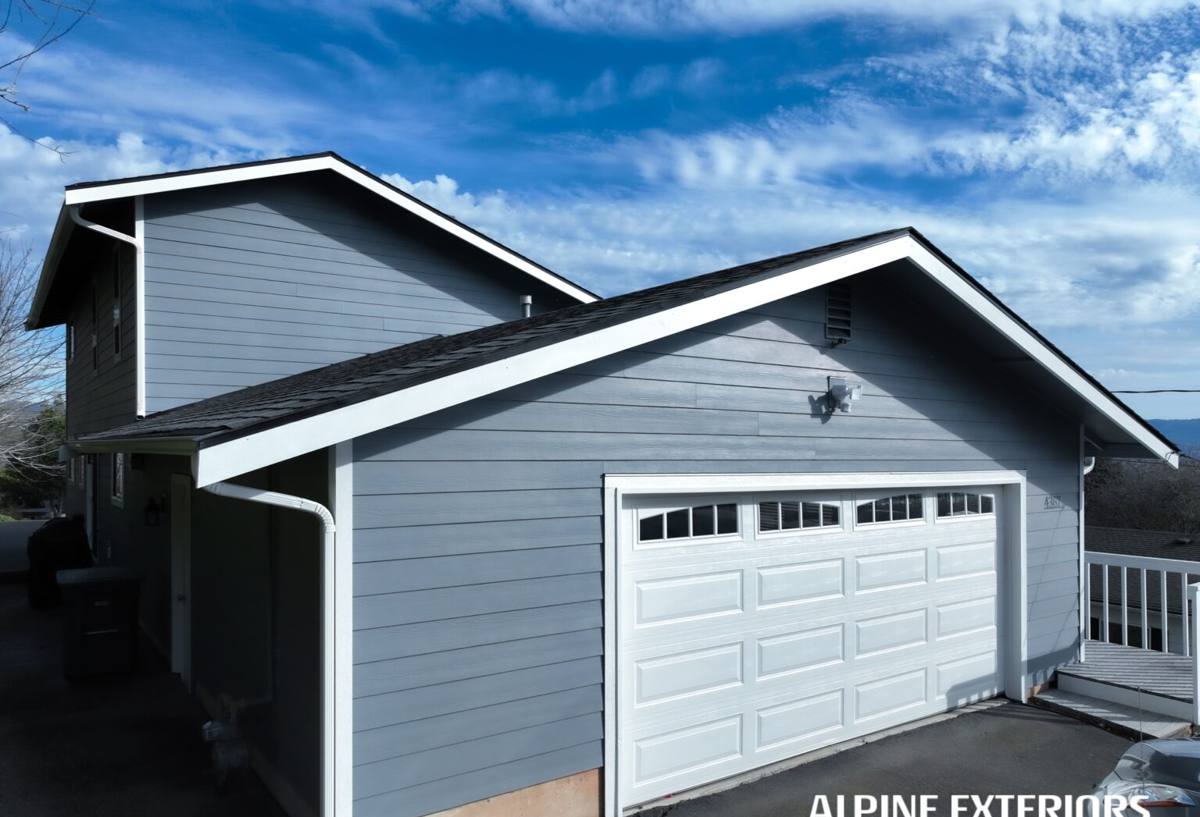
What This Climate Does to a Roof
Three things drive almost every roofing problem we see in this part of Whatcom County, and they all show up on Yew Street:
Salt Air and Moisture-Laden Wind
Proximity to open water means fasteners, flashings, and any exposed steel edge are living in a slow, steady corrosion environment. Cheap or mismatched hardware is where a metal roof starts to fail first — not the panels themselves.
Driving Rain
Storms here don't just fall straight down; wind-driven rain gets pushed sideways into laps, valleys, and penetrations. A metal roof depends on correct panel overlap, sealant placement, and underlayment to stay dry under that kind of load — gravity alone won't do it.
Long Moss Season
Shade from surrounding trees plus consistent moisture means moss and algae have months, not weeks, to establish themselves. Moss holds water against a roof surface and, on the wrong material or in the wrong seams, accelerates rot and corrosion.
Why Metal Makes Sense Here — and Where It Doesn't
Metal roofing isn't automatically the right answer for every Sudden Valley-area home, and we'll tell you that upfront rather than upsell it. Here's the honest comparison for this climate specifically.
| Factor | Metal Roofing | Asphalt Shingle |
|---|---|---|
| Moss resistance | Sheds moisture fast; moss struggles to root on a smooth, sloped metal surface | Textured surface holds moisture and organic debris, feeding moss growth |
| Wind-driven rain performance | Excellent when laps and fasteners are done correctly | Good, but shingle edges are more vulnerable to wind lift over time |
| Salt air durability | Strong with correct coating and fastener spec; weak with mismatched hardware | Granule loss accelerates in salt-laden wind exposure |
| Upfront cost | Higher | Lower |
| Expected service life (this climate) | 40-60+ years with proper install and maintenance | 15-25 years, often shorter under heavy moss and moisture |
| Maintenance | Periodic gutter/valley clearing, occasional coating touch-up | More frequent moss treatment and shingle repair |
If your roof is heavily shaded year-round, has a low slope, or backs up to dense trees, metal is usually the stronger long-term choice specifically because of how it handles moss and standing moisture. On a simply-shaped, well-ventilated roof with moderate sun exposure, a quality asphalt system can still be a reasonable, lower-cost option. We'll look at your actual roof before recommending either.
What a Correct Metal Roof Install Actually Involves
A lot of what determines whether a metal roof handles this climate well happens before a single panel goes up.
Deck Inspection and Repair
Any soft, rotted, or moisture-damaged decking gets found and replaced before underlayment goes down. Installing metal over a compromised deck just hides the problem until it's worse.
Underlayment Choice
Given how much wind-driven rain this area sees, we use a high-temperature, self-adhering or synthetic underlayment rated for the panel system — not a basic felt that can degrade under a metal roof's thermal cycling.
Panel Selection and Fastener Matching
Panel gauge, coating, and fastener material all have to match each other and the environment. Mixing metals (for example, the wrong fastener alloy against a panel coating) sets up galvanic corrosion — a slow, avoidable failure that shows up years later as rust streaks and leaks around fastener heads.
Valleys, Flashing, and Penetrations
Valleys carry the most water volume on any roof, and driving rain makes that worse. We size and lap valley metal generously, and every pipe boot, vent, and wall transition gets flashed and sealed to shed water moving sideways, not just straight down.
Ventilation
Proper intake and exhaust ventilation keeps moisture from condensing on the underside of the deck — a real issue on shaded, damp lots where the roof rarely gets a chance to fully dry out.
Our Process on a Yew Street Job
- On-site assessment. We walk the roof and attic, check the deck, note shade patterns, tree overhang, drainage paths, and existing moss or moisture damage.
- Written scope and estimate. You get a clear breakdown of materials, panel type, underlayment, flashing detail, and price — no vague allowances.
- Tear-off and deck repair. Old roofing comes off, decking is inspected, and any damaged sections are replaced before we move forward.
- Underlayment and flashing. Installed to spec for wind-driven rain exposure, with extra attention at valleys and penetrations.
- Panel installation. Panels are set with matched fasteners at manufacturer-specified spacing, checked for square and consistent overlap.
- Final walkthrough. We review the finished roof with you, cover basic maintenance, and answer questions before we consider the job done.
Cost Factors Specific to This Area
Every roof is different, but a few things move the price up or down on Yew Street jobs more than they would elsewhere:
| Factor | Why It Matters Here |
|---|---|
| Deck condition | Long-term moisture and moss exposure increases the odds of hidden rot found during tear-off |
| Roof shade and pitch | Steeper, more shaded roofs take longer to work safely and may need extra ventilation detailing |
| Access and tree clearance | Tight lots and overhanging trees around Sudden Valley properties can slow material staging |
| Panel and coating grade | Higher-grade coatings cost more upfront but resist salt-air corrosion longer |
| Valley and penetration count | Complex rooflines with more valleys and penetrations mean more flashing labor |
We don't quote a number without seeing the roof — anyone who does is guessing. What we can tell you honestly is that metal roofing in this region runs higher upfront than asphalt, and the value shows up over decades, not years.
Maintenance That Actually Extends the Roof's Life
- Clear gutters and valleys of leaf and needle debris at least twice a year, more if you're under heavy tree cover
- Trim back branches that overhang the roofline to reduce shade, debris, and moss pressure
- Check exposed fasteners and flashing every couple of years for early rust or loosening
- Rinse off heavy moss or algae buildup gently — avoid pressure washing, which can drive water under laps
- Have penetration flashing (vents, pipe boots) inspected after any major storm season
- Address a small leak or loose panel immediately rather than waiting — moisture intrusion compounds fast in this climate
Why Hire a Crew That Already Works This Area
Metal roofing systems aren't complicated in theory, but getting them right in a climate like Whatcom County's takes more than following a generic install manual. A crew that regularly works Sudden Valley and the surrounding Yew Street area already knows which fastener and coating combinations hold up against the salt air coming off the water, how much valley capacity a roof needs for driving rain, and how aggressively moss takes hold under the tree cover typical of this neighborhood. That local pattern recognition is the difference between a roof that's still performing in year forty and one that needs flashing repairs by year eight.
We also know the practical side of working here — permitting expectations in Whatcom County, typical weather windows for tear-off and install, and how to sequence a job around this area's rain patterns so your roof deck isn't sitting exposed longer than it has to be.
Signs Your Current Roof May Need a Closer Look
- Moss or algae buildup that returns quickly after cleaning
- Rust streaking around fasteners, vents, or valleys on an existing metal roof
- Granule loss or bald patches on an aging asphalt roof
- Water staining on interior ceilings, especially near valleys or chimneys
- Soft spots or sagging when walking the attic decking
- Gutters that fill with debris faster than they used to, signalling roof or tree changes worth addressing
None of these automatically mean you need a full metal roof replacement — sometimes it's a repair, sometimes it's better ventilation or maintenance. We'll tell you which situation you're actually in.
Get a Straight Answer for Your Roof
If you're weighing a metal roof for a home on or near Yew Street, or you're not sure whether your current roof is holding up the way it should against this area's rain and moss, we're happy to take a look. Fill out the form below for a free, no-pressure estimate — we'll assess your roof, explain what we find in plain terms, and give you options that actually fit your house and this climate.