 Sudden Valley Siding
 Why Siding on Lake Whatcom Homes Takes a Different Approach
Homes around Lake Whatcom and Sudden Valley sit in one of the more demanding microclimates in Whatcom County. Steep, tree-covered lots mean long stretches of shade. Proximity to the water means fog and dew linger on exterior walls well after a storm has passed. And the marine air that moves in off the Sound carries moisture that settles into this basin and stays there. Siding that would hold up fine in a drier inland town gets tested here in ways manufacturers' general warranty language doesn't always account for.
This page is about one job done right: installing James Hardie fiber cement siding on a Lake Whatcom home. Not a general siding overview — the specific product, the specific climate problems it has to solve here, and the specific installation details that make the difference between siding that lasts decades and siding that starts failing in five years.
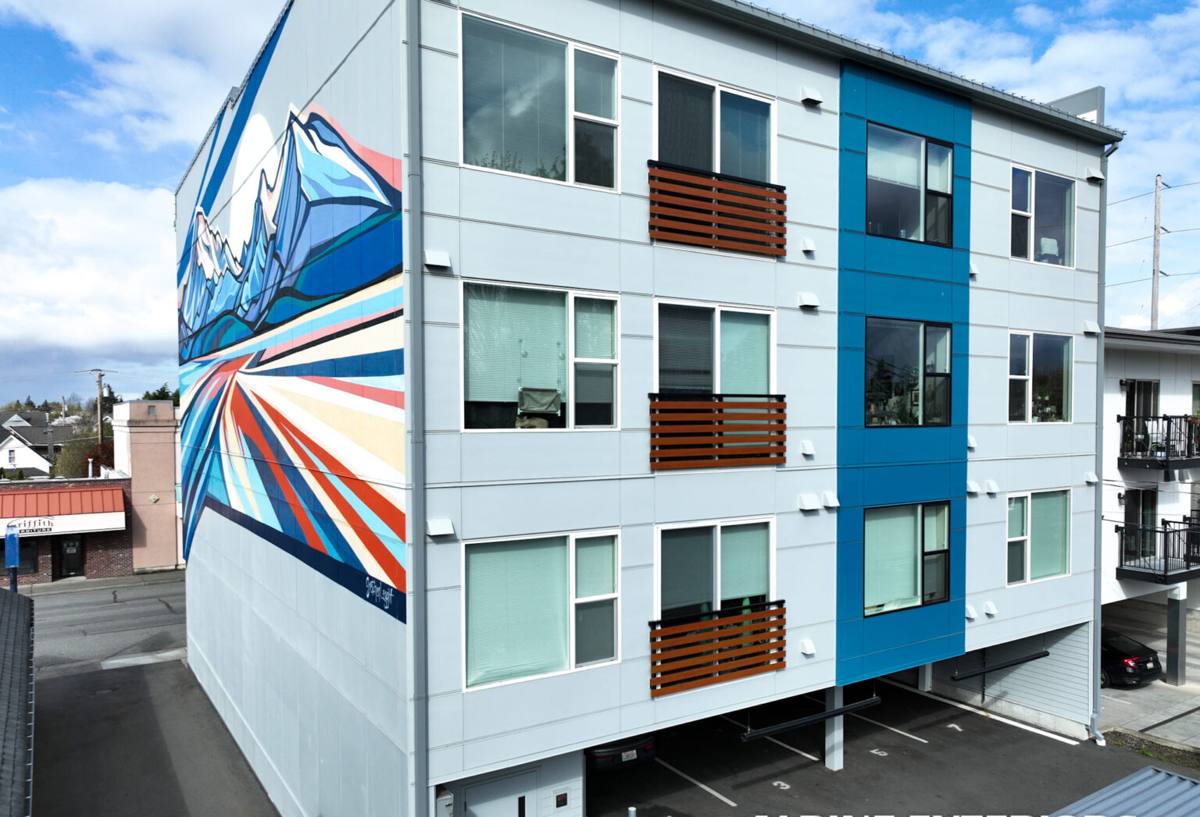
What the Lake Whatcom Climate Actually Does to Siding
Constant Moisture and Slow Drying
Wall assemblies dry out between rain events in most of the country. Around Lake Whatcom, especially on shaded, north-facing elevations, that drying window shrinks. Siding and the water-resistive barrier behind it stay damp longer, which is exactly the condition that swells wood-based products, feeds mold and mildew, and breaks down adhesives and paint bonds faster than the label promises.
Moss, Algae, and Deep Shade
Moss doesn't just grow on roofs here — it colonizes siding, trim, and anything with texture or a rough factory finish, particularly on the shaded sides of a house that backs up to trees. Once moss takes hold, it holds moisture directly against the wall surface, which accelerates whatever damage the underlying material is already prone to.
Wind-Driven Rain Off the Water
Being near open water means wind-driven rain hits siding at angles that flat, straight-down rain never does. That pushes water up under laps, into butt joints, and around penetrations that would stay dry on a more sheltered lot. Flashing details and joint treatment matter more here than in a typical subdivision a few miles inland.
Why We Install Only James Hardie Fiber Cement in This Area
We don't install vinyl, LP SmartSide, Cemplank, Allura, or raw wood siding — not because those products have no place anywhere, but because we've made a professional call that they're not the right standard for what this climate does to a house over 20-plus years. James Hardie is the one product line we've found holds up to the moisture load, the moss pressure, and the freeze-thaw swings of a Whatcom County winter without the maintenance creep that comes with the alternatives.
Climate-Engineered HZ5 Panels
James Hardie manufactures its siding in climate-specific formulations, and the Pacific Northwest falls under the HZ5 engineering standard, built around moisture and freeze-thaw resistance. Fiber cement itself doesn't absorb water the way wood-based siding does, and it doesn't provide the food source that mold and moss need the way untreated wood or wood-composite products can.
A Factory Finish That Doesn't Rely on Field Paint
ColorPlus finish is baked on at the factory under controlled conditions, which gives it a bond and UV resistance that field-applied paint struggles to match — especially on a job site where damp weather can interrupt drying and curing. On a shaded lake lot, a factory finish that isn't depending on a perfect on-site paint day is a real advantage, not a marketing point.
Non-Combustible Construction
Fiber cement is non-combustible, which matters anywhere in Washington with wildfire exposure risk and is simply a sound long-term choice regardless of season.
What a Correct Installation Involves Here
The product is only half the equation. Most siding failures we get called out to inspect — on any brand — trace back to installation shortcuts, not the material itself. On a Lake Whatcom home, a few details matter more than usual.
Flashing and Water Management First
Every window, door, and penetration needs proper flashing and a correctly lapped water-resistive barrier before a single piece of siding goes up. On a house that stays damp longer between dry spells, a flashing shortcut doesn't just risk a leak — it risks trapped moisture sitting against sheathing for days at a time.
Clearance From Grade, Decks, and Roof Lines
James Hardie's installation instructions call for specific clearances between the bottom of the siding and grade, roofing, decks, and walkways. On sloped, tree-shaded Lake Whatcom lots where splash-back and standing dampness are already a factor, hitting those clearances — not shaving them to make a wall look tighter — is what keeps the bottom courses from being the first thing to fail.
Fastening, Gaps, and Caulking Done to Spec
Fiber cement needs the right fastener type, spacing, and joint gaps to handle expansion and contraction through our seasonal swings. Butt joints and trim intersections need to be caulked with a product rated for it, not skipped or improvised. None of this is complicated, but all of it gets skipped on rushed jobs, and it's exactly what determines whether the siding still looks and performs the way it should in year fifteen.
How James Hardie Compares for a Lake Whatcom Property
Homeowners here often ask us to explain, plainly, why we steer them toward fiber cement instead of the lower-upfront-cost alternatives. This is the honest comparison, focused on the conditions that matter most in this specific location.
| Factor | James Hardie Fiber Cement | Vinyl | Wood-Based / LP SmartSide |
|---|---|---|---|
| Moisture behavior in a damp, shaded lot | Doesn't absorb water; dimensionally stable | Doesn't absorb water but can trap moisture behind panels if not vented well | Engineered wood strand can swell or delaminate if moisture gets past the coating |
| Moss and algae resistance | Smooth ColorPlus finish resists buildup; washes off easily | Textured surface can hold organic growth | Wood-based surface and grain texture are more hospitable to moss |
| Finish durability | Factory-baked ColorPlus, long fade resistance | Color molded through; can fade and chalk over time | Field or factory paint that needs monitoring and touch-up |
| Fire performance | Non-combustible | Combustible (melts/deforms under heat) | Combustible (wood-based core) |
| Long-term maintenance | Occasional washing, caulk checks | Low, but cracks and warps with age/impact | Coating and caulk maintenance to prevent moisture entry |
Our Process for a Lake Whatcom Siding Project
- On-site assessment. We walk the exterior, note shaded and moisture-prone elevations, check existing sheathing and trim condition, and identify any rot or moss damage already present.
- Scope and product selection. We confirm the right Hardie profile and HZ5-engineered product for the home, and account for any exterior guidelines that apply if the property falls under a community association's standards.
- Tear-off and substrate repair. Old siding comes off, and any compromised sheathing or framing found underneath gets repaired before anything new goes on — a step that's easy to skip and expensive to regret.
- Water-resistive barrier and flashing. We install and lap the weather barrier and flash every window, door, and penetration correctly before siding starts.
- Siding installation to Hardie spec. Correct clearances, fastener spacing, joint gaps, and caulking, installed the way the manufacturer's instructions actually call for.
- Final walkthrough. We check trim, caulking lines, and finish consistency with you before calling the job complete.
Why a Crew That Already Works This Area Matters
Siding crews that mostly work drier, more open sites don't always adjust their approach for a shaded lake lot, and it shows up later — in moss creeping back within a year, or caulking that failed faster than it should have. A crew that already works Whatcom County and the Lake Whatcom basin knows which elevations need extra attention, how local permitting works, and what a house near the water actually needs versus what a spec sheet assumes for an average site.
That local familiarity also means fewer surprises during the job — knowing how site access and weather windows typically work around the lake, and building the schedule around them instead of discovering it mid-project.
What to Ask Before You Hire
- Are you installing James Hardie specifically, to the manufacturer's written installation instructions — not a modified or shortcut version?
- Will you inspect and repair sheathing before new siding goes on, not just cover over what's there?
- How will you handle flashing at windows, doors, and roof-to-wall intersections?
- What clearances will you maintain from grade, decks, and roofing?
- Do you carry manufacturer certification or training specific to James Hardie installation?
- Can you walk me through how you'll handle a shaded or moss-prone side of the house differently, if at all?
Caring for Hardie Siding on a Lake Whatcom Home
Fiber cement is low-maintenance, not no-maintenance. A yearly rinse-down on shaded elevations keeps moss and algae from ever getting a foothold, which is far easier than removing established growth later. It's also worth a quick annual look at caulked joints and trim intersections — caulking is the one component of the system that wears out well before the siding itself does, and catching a failed bead early is a five-minute fix instead of a moisture problem down the road.
If you're planning a siding project on a Lake Whatcom or Sudden Valley home, we're happy to take a look and give you a straightforward, no-pressure estimate — no obligation, just an honest read on what your home needs.