 Sudden Valley Siding
 Storm Damage Roof Repair for Alger Homes
Alger sits close enough to the water and open farmland that roofs here take a different kind of beating than roofs tucked into denser, more sheltered parts of Whatcom County. Wind off the water carries salt and moisture a long way, and when a fall or winter storm rolls through, that combination of driving rain, gusting wind, and airborne debris finds every weak point a roof has. If you've had a storm come through recently and you're seeing stains on a ceiling, missing shingles in the yard, or just want a roof checked out before the next system arrives, this page covers what that job actually involves for a home in this area.
We're not going to pad this with generic advice you could get from any national roofing site. This is written for what actually happens to roofs in and around Alger and Sudden Valley, and how a repair should be handled when it's done right.
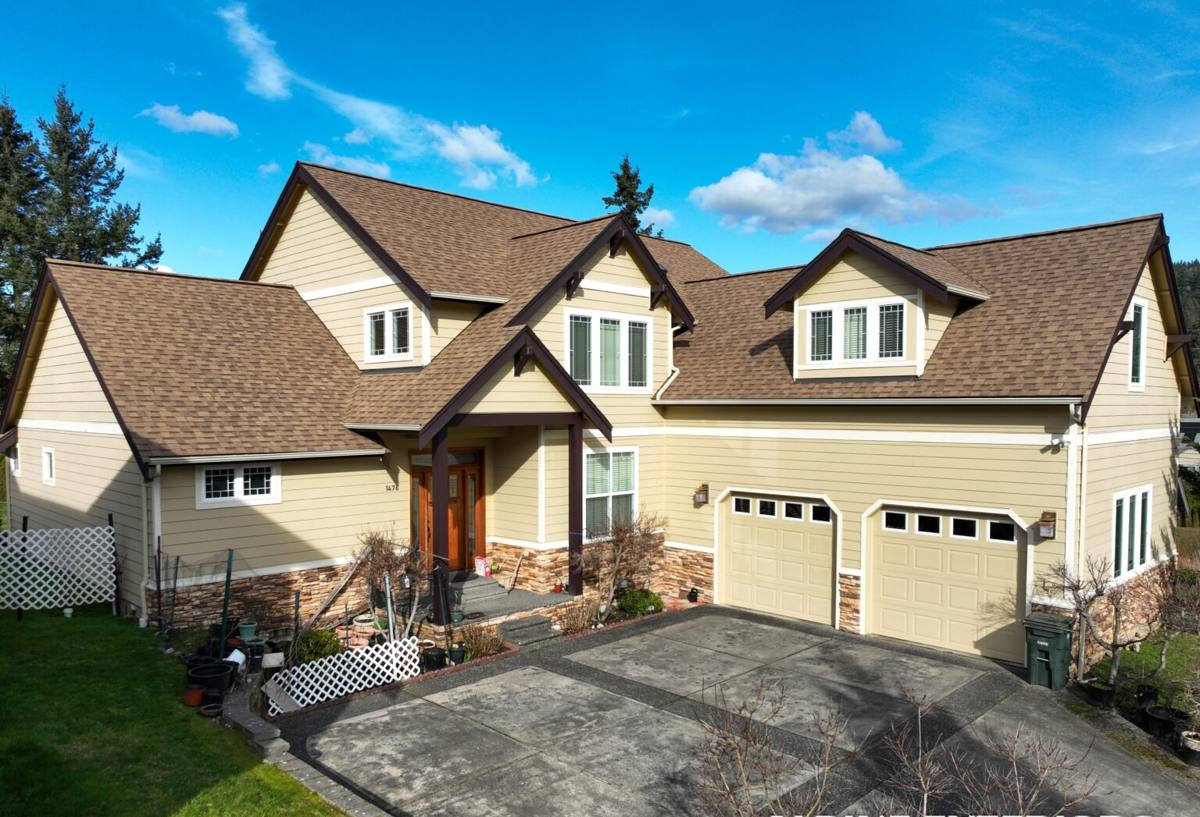
Why Storm Damage Here Is Different
Salt Air and Metal Fatigue
Homes closer to open water and exposed fields deal with salt-laden air more than roofs further inland or in heavily wooded neighborhoods. Salt accelerates corrosion on exposed metal — flashing, nail heads, gutter fasteners, vent caps. A storm that would just knock a few shingles loose on a fresher roof can tear through flashing that's already been quietly corroding for years, and that's often where the real leak starts, not at the shingles themselves.
Driving Rain and Wind-Driven Water
Storms in this part of Whatcom County rarely come straight down. Wind pushes rain sideways, which means water gets forced up under shingle edges, into vent boots, and around chimney and skylight flashing that would stay dry in a calm rain. After a storm, the damage isn't always where the wind visibly tore something loose — it's often a few feet away, where water found a gap that wind pressure opened up.
Moss Season and Weakened Roof Decking
This region has a long moss season — mild, damp stretches that run for months and give moss plenty of time to establish on north-facing slopes and shaded sections of roof. Moss holds moisture against the roofing material and, over time, lifts shingle edges and traps water against the decking underneath. A roof with moss buildup going into storm season is already compromised before the wind even shows up, which is part of why storm damage tends to hit harder on roofs that haven't had moss addressed in a while.
What a Correct Storm Damage Repair Actually Involves
A lot of storm repair work gets done by patching the visible problem and calling it done. That approach misses the underlying cause more often than not. A repair that actually holds up involves a few distinct steps:
1. Full Roof Assessment, Not Just the Obvious Spot
We look at the whole roof, not just where the leak showed up inside the house. Water travels along decking and rafters before it drips somewhere visible, so the interior stain and the actual entry point are frequently in different locations. We check flashing, valleys, vent boots, ridge caps, and shingle condition across every slope, including the shaded sides where moss tends to build up.
2. Identifying Storm Damage vs. Pre-Existing Wear
This matters for two reasons: it affects whether the damage may be covered by homeowners insurance, and it affects what the repair actually needs to include. A shingle torn loose in a windstorm is a different repair than a shingle that was already brittle and cracking from age or moss damage. We'll tell you plainly which is which — we're not going to call something "storm damage" just because it's convenient.
3. Repairing the Cause, Not Just the Symptom
If flashing corroded by salt air is what let water in, replacing a shingle over it without addressing the flashing just delays the next leak. A proper repair replaces or reseals the failed component — flashing, boot, decking section, or shingle course — with materials suited to what actually failed.
4. Matching Materials and Finish
Where possible, repairs use matching or closely matched shingle color and profile so the patched section doesn't stand out as an obvious repair. On older roofs where exact matches aren't available, we'll walk you through the realistic options rather than guessing and hoping it blends.
Our Process, Start to Finish
- Initial contact and scheduling — describe what you're seeing (leak, missing shingles, visible damage) and we'll get a look scheduled, prioritizing active leaks.
- On-site inspection — full roof walk or ladder inspection depending on pitch and access, checking all slopes and penetrations, not just the reported problem area.
- Written findings and options — what we found, what caused it, and what repair options make sense, with honest pricing ranges.
- Insurance documentation, if applicable — photos and notes you can use if you're filing a storm damage claim.
- Repair work — scheduled promptly, especially for active leaks, using materials matched to your existing roof where possible.
- Final walkthrough — we show you what was done and what to watch for going forward, including moss or drainage issues worth addressing before the next storm season.
Common Storm Damage We See and How Each Is Handled
| Damage Type | Typical Cause | Repair Approach |
|---|---|---|
| Missing or torn shingles | Wind uplift, often on edges and ridges | Replace affected shingles, check underlying decking and felt for exposure damage |
| Flashing leaks (chimney, skylight, valleys) | Salt-air corrosion combined with wind-driven rain | Remove and replace corroded flashing, reseal with proper underlayment integration |
| Vent boot cracking | Age and UV/weather cycling, worsened by storm flexing | Replace boot, check for water tracking into surrounding decking |
| Moss-related shingle lift | Long moss season on shaded slopes | Remove moss, treat affected area, replace lifted or damaged shingles |
| Localized decking rot | Prolonged undetected leak, often moss-related | Cut out and replace affected decking before re-shingling |
Cost Factors for Storm Damage Repair
Every roof and every storm event is different, so we don't quote a flat number without seeing the roof. That said, a few things consistently drive cost up or down:
- Scope of damage — a handful of shingles is a very different job than damaged decking or multiple flashing points.
- Roof access and pitch — steeper or harder-to-access roofs take longer and require more safety setup.
- How long the damage went unaddressed — water that's been getting in for weeks does more damage than a fresh storm hit.
- Material availability — matching older shingle profiles or colors can take longer to source.
- Insurance coordination — documentation and claim-related timelines can affect scheduling, though not the actual repair cost.
Most storm damage repairs in this area fall into a moderate range rather than a full roof replacement — but we won't know which category your roof is in until we look at it.
Why a Crew That Already Works Alger and Sudden Valley Matters
Roofing crews who work outside our normal service area often aren't familiar with how differently salt exposure, driving rain angles, and moss growth patterns affect roofs from one neighborhood to the next within Whatcom County. A crew that regularly works Alger and Sudden Valley knows which slopes tend to hold moss longest, which flashing types hold up and which corrode faster near open water, and how storms typically move through this stretch of the county. That familiarity shows up in faster, more accurate diagnosis — we're not guessing at what's normal for this area, we're already working with it on a regular basis.
It also matters for response time. After a storm event, demand for roof repair spikes across the whole region. A crew already working locally can usually get to an active leak faster than a company dispatching from further out.
What to Check Before You Call
If you're not sure whether you need a repair call yet, here's a quick checklist:
- New ceiling stains, especially after a windy or heavy-rain night
- Shingles visible in the yard or gutters after a storm
- Visible gaps, lifted edges, or curling on any roof slope
- Moss buildup that's thick enough to see from the ground on shaded slopes
- Rust streaks or corrosion visible on flashing around chimneys or vents
- Sagging or soft spots when walking the attic (if safely accessible)
If any of these apply, it's worth getting a look before the next storm system rather than waiting for the leak to get worse.
Get a No-Pressure Estimate
If you're dealing with storm damage on your Alger home, or you just want a roof checked out before the next round of Whatcom County weather comes through, we're happy to take a look and give you a straight answer — no pressure, no upsell. Fill out the form below and we'll get you scheduled.