 Sudden Valley Siding
 Roof Repair Built for Deming's Climate
Deming sits along the Nooksack River corridor east of Bellingham, tucked into the foothills below Mount Baker, and that location shapes what a roof has to put up with here. Between the tree canopy, the near-constant marine moisture rolling in off Puget Sound, and the driving rain that comes with fall and winter storms, roofs in this part of Whatcom County age differently than roofs thirty miles inland. Salt-laden air corrodes fasteners and flashing faster than dry-climate roofs ever experience, wind-driven rain finds its way under shingles that would hold up fine in a light drizzle, and the heavy tree cover common around Deming means shade, needle litter, and a moss season that can run eight or nine months out of the year. A roof repair here isn't just patching a leak — it's addressing the specific way this climate wears a roof down.
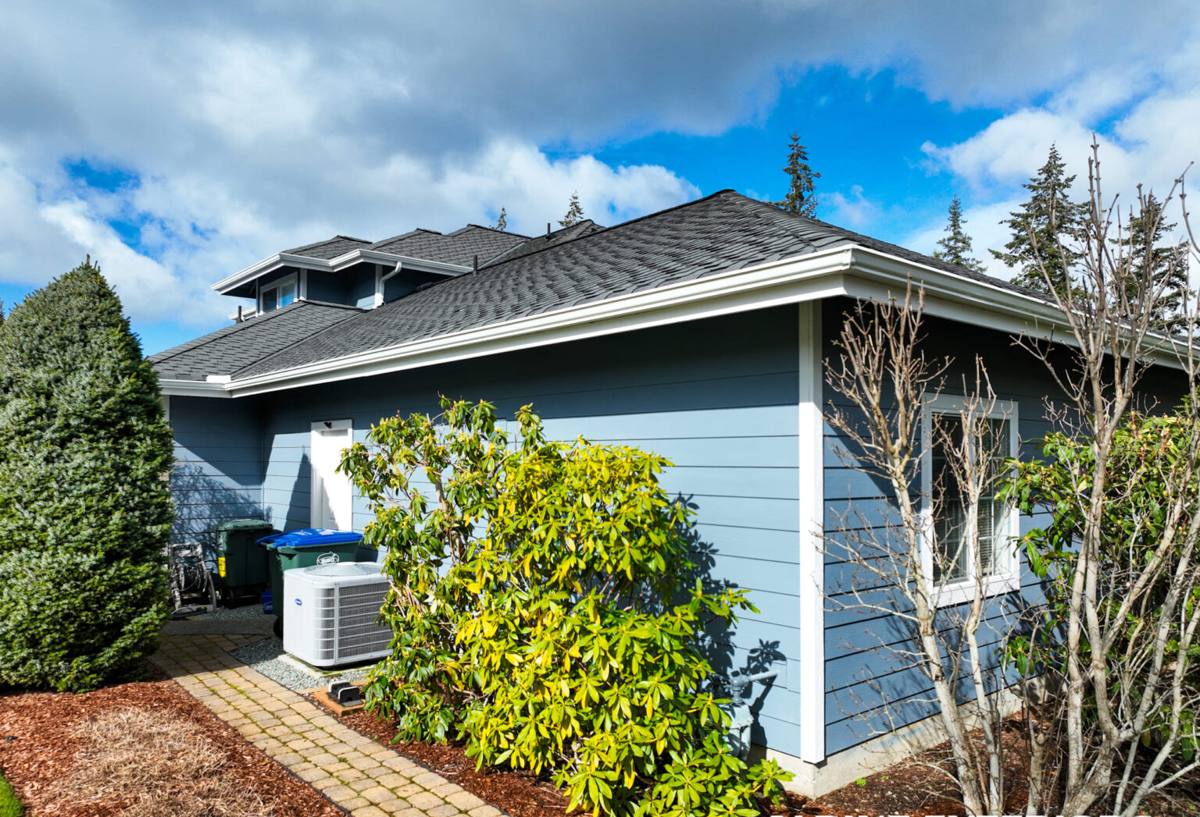
We work on homes throughout Sudden Valley and the surrounding Whatcom County communities, and Deming's roofs consistently show a particular pattern of wear: moss and algae growth in shaded, north-facing sections, granule loss and soft spots where moisture sits longest, and flashing failures around chimneys and roof valleys where water concentrates during heavy rain. Knowing that pattern in advance means we're not guessing when we get on your roof — we know where to look first.
Why Roofs Wear Out Faster in This Area
Salt Air and Corrosion
Even well inland from the coast, Whatcom County gets enough salt-laden moisture in the air to accelerate corrosion on exposed metal — nail heads, flashing seams, gutter fasteners, and vent boots all take the hit over time. A fastener that would last two decades in a dry climate can start failing in half that time here, and a single corroded nail popping loose is often the actual source of a leak that looks like it's coming from somewhere else entirely.
Driving Rain and Wind
Pacific storms moving through this region don't just drop a lot of rain — they push it sideways. Wind-driven rain gets up under shingle edges, around ridge caps, and into any gap in flashing that a straight-down rain would never reach. This is why a roof that looks fine from the ground can still be actively leaking during a storm: the failure point is on the windward side, hidden from casual view, and only shows itself when the wind direction and rain intensity line up.
The Long Moss Season
Moss doesn't just sit on top of a roof looking bad — it actively holds moisture against the shingle surface, works its way under tabs and edges as it grows, and lifts material as its root structure spreads. In the shaded, tree-covered lots common around Deming, moss can establish itself on a north-facing slope within a year or two of a roof going untreated, and once it's established it accelerates every other form of wear listed here. A roof with a heavy moss mat is almost always losing granules and holding moisture underneath it, even if there's no visible leak yet.
Signs Your Deming Home Needs a Roof Repair
Most roof problems give warning signs well before they become an active leak inside the house. Catching them early is the difference between a straightforward repair and a much larger job.
- Moss or dark algae streaking on shaded roof slopes, especially near tree lines
- Granules collecting in gutters or at the base of downspouts
- Curling, cracked, or missing shingles, particularly after a windstorm
- Soft or spongy spots underfoot when walking the roof (a sign of trapped moisture in the deck below)
- Staining or discoloration on interior ceilings, especially near chimneys or roof valleys
- Daylight visible through the attic roof deck
- Flashing that's visibly lifted, rusted, or separated from the chimney, skylight, or wall junction
- Gutters pulling away from the fascia or overflowing during moderate rain
If you're seeing more than one of these at once, it's worth getting a look sooner rather than later — moisture problems on a roof compound quickly once they get past the surface layer.
What a Correct Repair Actually Involves
A roof repair that holds up in this climate starts with an honest diagnosis, not a patch over whatever's visible. When we inspect a Deming roof, we're checking the roof deck condition, the flashing at every penetration (chimneys, vents, skylights), the condition of the underlayment where it's exposed, and the drainage path water actually takes across that particular roof — not just the spot where the stain showed up inside.
Diagnosis Before Repair
Leaks are notorious for showing up inside the house far from where the water actually entered the roof. Water can travel along rafters or sheathing for several feet before it finds a gap to drip through. Fixing the visible symptom without tracing it back to the actual entry point means the leak comes back — often in a new spot, which makes the homeowner think it's a new problem when it's the same one.
Matching the Repair to the Damage
Not every roof issue calls for the same fix. A few isolated cracked shingles after a windstorm might need a targeted shingle replacement. A moss-heavy north slope might need a treatment and cleaning along with replacing the shingles the moss has already damaged. A chimney with lifted flashing needs the flashing rebuilt and properly integrated with the surrounding shingle courses, not just caulked over — caulk is a temporary fix at best in a climate this wet, and it fails faster under UV and freeze-thaw cycling than a proper flashing repair.
| Repair Type | Typical Cause in Deming | What's Involved |
|---|---|---|
| Localized shingle repair | Wind damage, isolated wear | Remove and replace damaged shingles, check underlayment beneath |
| Moss/algae treatment and cleaning | Shaded, tree-covered slopes | Soft wash treatment, manual moss removal, replace granule-stripped shingles |
| Flashing repair | Salt-air corrosion, age, storm movement | Rebuild flashing at chimneys, valleys, vents, and wall junctions |
| Deck repair | Long-term trapped moisture | Replace soft or rotted sheathing before re-roofing that section |
| Gutter and drainage correction | Overflow driving water under the roof edge | Reset or replace gutters, correct pitch, add drip edge where missing |
Repair vs. Replacement: How We Help You Decide
A repair only makes sense when the roof's overall structure and remaining shingle life can support it. We'll always tell you honestly when a roof is past the point where repair is the better value — chasing leaks on a roof that's genuinely at the end of its service life usually costs more over a couple of years than doing the replacement once. The factors that matter most in that decision are the age of the existing roofing material, how widespread the damage is versus how isolated, the condition of the deck underneath, and whether the roof has multiple layers of past repairs stacking up. We'll walk the roof, explain what we're seeing, and give you a straight answer about which side of that line your roof falls on — not a sales pitch either direction.
Materials That Hold Up in This Climate
For repair work, matching materials matters more than it might seem. Using shingles with algae-resistant granules on repaired sections in shaded areas helps slow the moss cycle from restarting immediately. Flashing repairs use corrosion-resistant metal suited to the salt-air exposure common throughout Whatcom County, rather than the bare materials that corrode fastest here. And underlayment choices in wet, shaded sections of a roof matter more than they do on a dry, sun-exposed slope, since that underlayment is the last line of defense if moss or debris has compromised the shingle layer above it.
Why a Crew That Already Works Deming Matters
Roofing crews that mostly work in drier or more open parts of the county sometimes miss the specific failure patterns that show up on heavily treed, moisture-heavy lots like the ones common around Deming. A crew that regularly works this area already knows to check north-facing slopes first for moss intrusion, knows how quickly corrosion sets in on exposed fasteners here, and knows that a flashing repair needs to account for wind-driven rain from more than one direction given how storms track through the Nooksack valley. That local pattern recognition shortens the diagnosis phase and means fewer surprises once the repair is underway.
Access is also a practical factor. Many properties in and around Deming have longer driveways, wooded approaches, or setback structures that require different staging and equipment planning than a typical in-town lot. A crew familiar with the area plans for that upfront instead of discovering it on arrival.
Maintenance That Extends the Life of a Repair
A repair lasts longer when it's paired with basic upkeep between service visits. None of this requires climbing on the roof yourself — most of it is about keeping water and debris moving off the roof the way it's designed to.
- Keep gutters clear of needles and leaf debris, especially heading into fall storm season
- Trim back tree limbs that overhang the roofline to reduce shade, debris, and moss pressure
- Have moss-prone slopes checked and treated on a regular schedule rather than waiting until it's visibly thick
- Address small flashing or shingle issues promptly — they get more expensive to fix the longer water sits on exposed decking
- Have the roof inspected after major windstorms, even if nothing looks obviously wrong from the ground
Getting an Honest Look at Your Roof
If you're seeing moss buildup, a stain on a ceiling, or storm damage on a roof in Deming, the first step is a straightforward inspection — not a sales pitch. We'll look at the actual condition of the roof, explain what we find in plain terms, and give you options that match the real scope of the problem, whether that's a targeted repair or a conversation about longer-term planning. We offer free, no-pressure estimates for roof repair work throughout Deming and the surrounding Sudden Valley area — use the form below to get one scheduled.