 Sudden Valley Siding
 Why Bellingham Siding Takes a Different Approach
Bellingham sits in a stretch of Whatcom County where three things gang up on exterior siding at once: salt-laden air moving in off Bellingham Bay and the Salish Sea, long stretches of driving, wind-blown rain, and a moss and algae season that can run most of the year in shaded, north-facing exposures. Any one of these is manageable. Together, they shorten the life of the wrong siding material fast, and they punish sloppy installation even faster. A siding job that would hold up fine in a drier inland climate can fail within a few years here if the water-management details are skipped.
This page is specifically about installing siding correctly for Bellingham homes — not a generic overview of siding in general. If you're comparing bids or trying to understand why your current siding is struggling, the details below are the ones that actually matter in this climate.
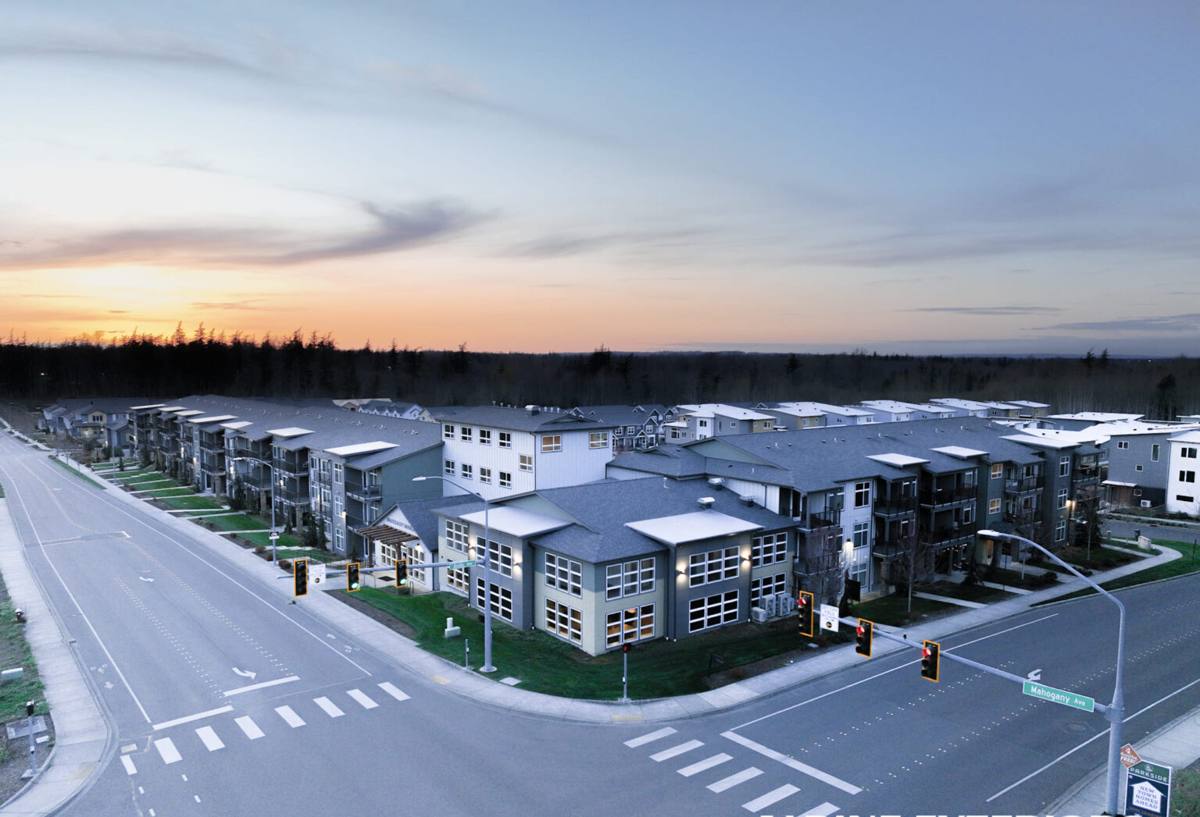
What Bellingham's Climate Actually Does to Siding
Salt Air
Homes closer to the water deal with airborne salt that accelerates corrosion on exposed metal fasteners, trim flashing, and hardware. Siding materials and fastening systems that aren't rated for coastal exposure can show premature staining, corrosion streaks, and fastener failure well before the siding field itself wears out.
Driving Rain
Whatcom County gets rain that doesn't just fall — it's pushed sideways by wind off the water, which forces moisture into every gap, lap joint, and penetration that isn't properly flashed and sealed. A siding system depends on what's behind it — the weather-resistive barrier, flashing, and drainage plane — as much as the visible material itself.
Moss and Algae Season
Shaded, damp, north- and east-facing walls in Bellingham can stay wet for days at a time, especially under trees or near dense landscaping. That constant moisture is exactly what moss and algae need to establish on porous or absorbent siding surfaces, and once established, it holds even more moisture against the wall.
None of this is unusual for the region — it's simply the baseline a correct installation has to be designed around.
What a Correct Siding Installation Involves
Good siding installation is mostly invisible once the job is done. The material you see is the last layer of a system that includes:
- A continuous, properly lapped weather-resistive barrier behind the siding
- Correct flashing at windows, doors, roof-to-wall transitions, and any wall penetration
- A drainage gap or rainscreen strategy so incidental water can escape instead of sitting against the wall
- Fasteners installed to the manufacturer's spacing and depth specification, not "close enough"
- Properly sized gaps at butt joints and trim to allow for expansion without trapping water
- Sealant used only where the manufacturer calls for it — not as a substitute for proper flashing
Skip any one of these and the siding can look fine for a year or two while moisture quietly works behind it. In a climate with as much wind-driven rain as Bellingham gets, these details aren't optional extras — they're the actual job.
Why We Install Only James Hardie Fiber Cement
We standardized on James Hardie fiber cement siding and don't install vinyl, LP SmartSide, Cemplank, Allura, primed spruce, or cedar. That's not a marketing position — it's a decision based on what holds up under the conditions described above:
- Non-combustible material — fiber cement doesn't burn, which matters for both safety and, increasingly, insurance considerations in the Pacific Northwest.
- ColorPlus factory finish — a baked-on finish applied under controlled conditions, which holds color and resists the fading and chipping that field-applied paint is prone to.
- Climate-engineered HZ product lines — Hardie manufactures different formulations for different moisture and freeze exposures, so the product specified for a coastal Whatcom County home is engineered for that environment rather than a one-size-fits-all board.
- Dimensional stability — fiber cement doesn't swell and shrink with moisture the way wood-based products do, which matters directly in a climate with sustained damp periods.
- A strong, transferable warranty — backed by the manufacturer when the product is installed to spec, which is part of why installation quality matters as much as the product choice.
We're not going to tell you vinyl or engineered wood siding is garbage — plenty of homes have it and it's a legitimate product category. But for the moisture load, salt exposure, and moss pressure that Bellingham throws at a wall, we decided the trade-offs (moisture sensitivity in engineered wood, expansion and fading behavior in vinyl, the ongoing maintenance burden of untreated cedar) weren't ones we wanted to put our name behind. Fiber cement, installed correctly, is what we're willing to warranty and stand behind.
How the Main Siding Options Hold Up Locally
| Factor | James Hardie Fiber Cement | Vinyl | Cedar / Untreated Wood | Engineered Wood (e.g. LP SmartSide) |
|---|---|---|---|---|
| Moisture resistance | High — engineered for wet climates | Doesn't absorb, but seams can let water behind it | Absorbs moisture; needs consistent maintenance | Wood-based core; vulnerable if the finish is compromised |
| Salt air exposure | Handles it well | Can become brittle over time in coastal exposure | Weathers unevenly near salt air | Edge and cut-end sealing is critical near salt air |
| Moss / algae resistance | Factory finish resists buildup better than raw or absorbent surfaces | Smooth surface, but seams collect debris | Porous surface is prone to moss and algae | Porous where finish or sealing is compromised |
| Fire resistance | Non-combustible | Combustible | Combustible | Combustible |
| Typical maintenance | Periodic washing; repaint only if desired, decades out | Low, but limited to no repair for impact damage | Regular staining/sealing required | Caulking and finish upkeep at seams and cut ends |
This isn't meant to be exhaustive — it's meant to show why the climate factors that matter most in Bellingham line up in fiber cement's favor.
Our Installation Process
- On-site assessment — we look at existing siding condition, wall assembly, moisture entry points, and exposure (sun, shade, wind direction, proximity to water).
- Tear-off and inspection — removing old siding lets us check sheathing and framing for hidden moisture damage before anything new goes on. This step catches problems a re-side-over-existing-siding approach would hide.
- Weather-resistive barrier and flashing — installed and lapped correctly at every seam, window, door, and penetration, before a single piece of siding goes up.
- Hardie installation — installed to manufacturer fastening and clearance specifications, using the HZ product line appropriate to this climate zone.
- Trim, caulking, and paint touch-up — finished to match the ColorPlus system so the color transition at cut edges and trim is clean.
- Final walkthrough — checking joints, clearances, and fastening before we consider the job complete.
Signs a Bellingham Home Needs New Siding
- Visible moss, algae, or dark streaking that keeps returning after cleaning
- Soft spots, warping, or bubbling, especially on shaded or water-facing walls
- Paint that's peeling or blistering rather than just fading
- Gaps or separation at seams, trim, or corners
- Rusting or corroded fasteners visible on the siding surface
- Rising energy bills that suggest the wall assembly behind the siding is compromised
- Interior signs like musty smells or discoloration on walls that share an exterior wall with visible siding issues
Any one of these on its own isn't necessarily an emergency, but a few together are usually a sign the water-management layer behind the siding has failed, not just the surface material.
Why Local Installation Experience Matters
A crew that already works in Bellingham and the surrounding Whatcom County area has seen how this specific climate treats siding over years, not just on paper. That means knowing which HZ product formulation makes sense for a home a few blocks from the water versus one further inland, knowing which exposures need extra attention to flashing and drainage, and recognizing early moss and moisture patterns before they turn into structural repairs. It also means understanding local permitting and code requirements without a learning curve on your project. Siding installed by a crew unfamiliar with coastal Pacific Northwest conditions can look correct on installation day and still fail early because the details that matter here weren't accounted for.
Maintenance After Installation
Correctly installed Hardie siding is low-maintenance, not no-maintenance. In a climate with Bellingham's moss and salt exposure, that generally means an occasional gentle wash to keep organic growth from establishing on shaded walls, periodic visual checks of caulking and trim, and prompt attention if a fastener or panel is ever damaged by impact. None of this is heavy upkeep — it's the difference between a wall system that lasts for decades and one that's left to fend for itself against year-round moisture.
If you're dealing with aging or failing siding on a Bellingham home, or planning ahead before the next wet season, we're happy to take a look and give you a straightforward, no-pressure estimate — use the form below to get started.